

If you buy through links on our site, we may earn a small affiliate commission to help support the blog - at no extra cost to you. It never influences our product selection process. Thank you!
Your retainer used to fit snugly—but lately you’ve noticed it feels a bit loose. You’re wondering what’s going on—whether it’s normal—and what you should do about it.
A loose retainer usually means it no longer holds your teeth properly—which can lead to teeth shifting back toward their original position. This can happen for several reasons—including slight tooth movement—changes in the retainer’s shape—or wear over time. The good news? It’s fixable.
It’s normal to feel worried about the cost of a new retainer or the impact on your teeth after all the work you’ve done with braces or aligners. Here’s the thing: this problem is common—and it’s almost always fixable. Early action—such as consulting an orthodontist—can protect your teeth and preserve your results.
Understanding why a retainer loosens—and what steps to take next—helps prevent bigger issues. This article explains the common causes of loose retainers—how to handle the situation safely—and when professional help is needed. With proper care—you can get your retainer working perfectly again.
Why Does a Retainer Become Loose?
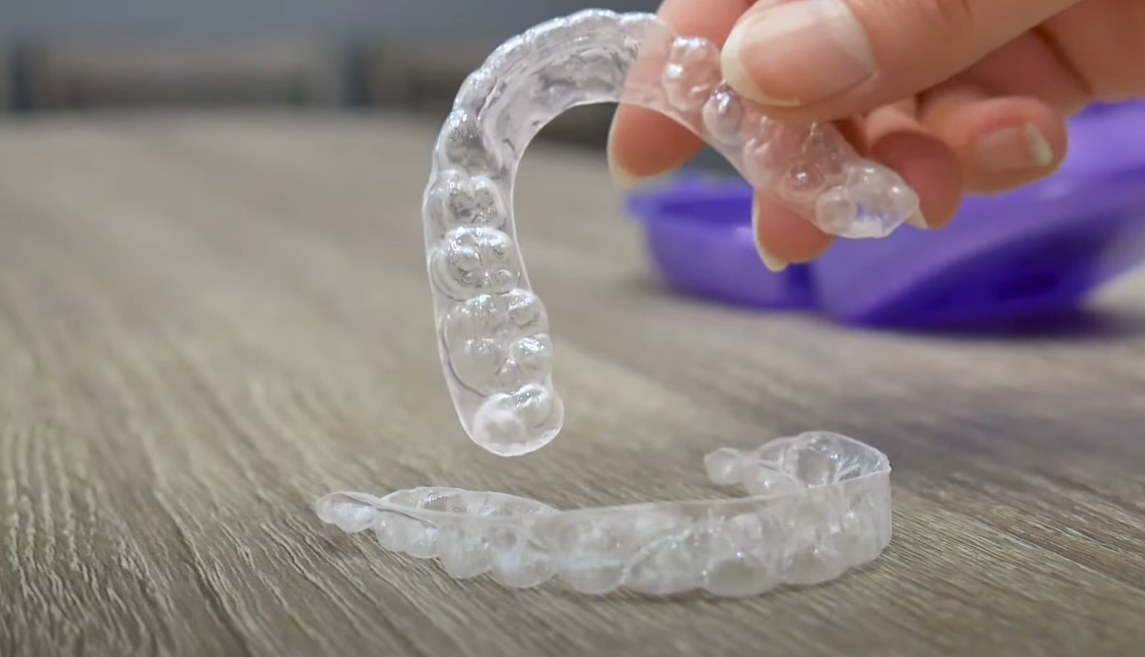
A loose retainer can happen for several reasons—often from a mix of issues. Wear and tear is the most common cause. Over time—the material breaks down—making the fit less snug. Daily use slowly changes how the retainer sits on your teeth.
Inconsistent wear plays a big role too. When you skip days or stop wearing the retainer—your teeth can shift slightly. This natural movement causes the retainer to feel loose when you put it back in.
Handling mistakes also affect fit significantly. Hot water or harsh chemicals can warp or damage the retainer. Rough cleaning or poor storage can cause cracks or bending—making the retainer less effective.
Other factors include changes in your mouth itself. Teeth grinding—jaw growth—or wisdom teeth coming in can all change how well your retainer fits. These natural shifts happen even after orthodontic treatment.
Dr. Todd B. Harris, DDS, explains: “A loose retainer is one of the most common issues I see in my practice. The good news? It’s almost always fixable—and there are multiple solutions available. Don’t panic—we can help identify what’s happening and get you back on track.”
A loose retainer is common—and usually easy to fix. Orthodontists can identify the exact cause and recommend a solution. There’s no need to worry—it’s a problem that can be addressed quickly and safely.
Wear and Tear: How Retainers Gradually Loosen Over Time
Retainers naturally wear down with daily use. This wear and tear happens slowly—and it’s caused by material fatigue. Plastic parts of removable retainers weaken over time—making the fit less tight. This change is gradual—and completely normal.
Most retainers stay in good shape during the first year. Around years two or three—signs of wear start to show. The material may discolor—lose some rigidity—or develop small cracks. By years three to four—many people need a replacement. Still—careful users can extend a retainer’s life beyond this.
Wear differs for each person. Those who grind their teeth or use retainers daily can see faster wear. The type of retainer also matters—permanent retainers face different stresses than removable ones. Even so—all retainers eventually experience some loosening.
Here are common signs of wear:
-
Slight discoloration or yellowing
-
Material becomes less rigid
-
Retainer fit gradually changes
-
Sometimes visible small cracks
-
Often subtle at first
While retainer wear isn’t a sign of failure—worn retainers lose their ability to hold teeth in place well. When this happens—your teeth may shift—and comfort decreases. Regular check-ups help catch wear early and keep your dental results safe. Replacement retainers are a routine—sensible expense to protect the investment you’ve made in teeth alignment.
Marcus’s Story: Two Years of Normal Wear and Gradual Loosening
Marcus, 26, wore his retainer every day after finishing Invisalign two years ago. At first—the fit was perfect. The retainer felt snug and secure—and Marcus had no problems at all.
During the first year—he was completely happy. He wore the retainer faithfully—and his teeth stayed straight. Into the beginning of the second year—the fit still seemed good. Marcus didn’t notice any big changes—life went on normally.
By the middle of the second year—Marcus spotted a slight difference. The retainer felt a little different—but the change was so subtle he thought he might be imagining it. He didn’t worry at first. But later in the year—the looseness became more obvious. The retainer no longer fit as tightly—though it was still comfortable and protective.
Marcus realized this was normal wear and tear after two years of use. He said, “I wore my retainer every day for two years—did everything right. Then I noticed it was fitting loose. I was surprised—but it makes sense. The material has been working hard. My orthodontist said it was completely normal.”
After contacting his orthodontist—Marcus got a professional checkup and ordered a new retainer. Now—the new retainer fits perfectly. His teeth remain straight—and Marcus is more aware of how retainers wear down over time.
Key points from Marcus’s story:
-
Consistent wear doesn’t prevent all wear and tear
-
Two to three years is typical lifespan
-
Professional evaluation is important
-
Replacement is simple and normal
-
New retainers work perfectly again
When You Skip Wearing Your Retainer: How Teeth Shift
Your teeth are always trying to move. This natural process happens because bone and tissue around teeth gently shift over time. A retainer stops this movement by holding your teeth in place after orthodontic work. Without it—your teeth begin moving back toward their original spots.
If you skip wearing your retainer for just a few days—small shifts may start. After a few weeks—your teeth can move enough to be noticeable. Skipping for months causes more significant changes. The longer the break—the harder it is for the retainer to fit correctly again.
As your teeth shift—the retainer becomes loose. It may suddenly feel different or no longer snap into place. This looseness happens because gaps form between your teeth and the retainer—making it less effective. If wear continues to be inconsistent—the retainer might stop fitting entirely—and you’d need replacement.
To avoid this—retainer wear should be consistent and daily. Small breaks can lead to bigger problems. If your teeth do shift—wearing the retainer again might slowly help realign them—but it can take time—and sometimes a new retainer is necessary.
Sarah’s Story: What Happens When You Stop Wearing Your Retainer
Sarah, 31, finished her Invisalign treatment with perfectly straight teeth. She got her retainer—and wore it every day at first. But as life got busy—she started skipping days. At first—missing one day seemed harmless.
She thought it wouldn’t make a difference.
Soon—she missed more days—sometimes wearing it 3-4 days and skipping 2-3 days. Since her teeth looked fine—she didn’t worry much. But after a few months—Sarah noticed something subtle—a slight shift in her teeth. She almost dismissed it—thinking it was all in her head.
Six months later—the changes became obvious. Her retainer felt loose. Her teeth had moved enough to be seen by others too. Sarah realized skipping retainer wear was causing her teeth to drift back toward their original positions. Her treatment results were slipping away.
Sarah shared, “I thought missing days wouldn’t matter. But my retainer got loose—and my teeth shifted. I was undoing all my hard work.”
She restarted wearing her retainer consistently. It took several months—but her teeth slowly moved back. Her original retainer didn’t fit anymore because of shifting—so she needed a new one—something that cost more than sticking to the schedule from the start.
Now—Sarah wears her retainer daily without fail. She sets reminders and makes it a habit. Her teeth have stayed straight since. Her experience shows consistency is key—skipping can undo progress and lead to bigger problems.
Improper Care and Handling: How You’re Damaging Your Retainer
One common mistake is using hot water to clean the retainer. Retainers are made from thermoplastic—which softens with heat. When you expose them to hot water—the retainer can warp and lose its shape permanently. Even one hot wash can cause this damage.
Harsh chemicals and aggressive cleaning can also harm your retainer. Using bleach or strong soaps breaks down the plastic over time. Scrubbing with rough brushes or hard scraping can create scratches that weaken the device. Instead—use a soft brush with mild soap and lukewarm water.
Handling carelessness plays a big role in retainer damage. Dropping the retainer—bending it forcefully—or gripping it too hard may cause cracks or warping. Forcing it to fit improperly can even break the plastic.
Storage mistakes contribute to the problem as well. Leaving the retainer in places like a hot car or under direct sun causes warping. Not storing it in a protective case leads to pressure damage or accidental breakage. It’s best kept dry but not overly dry—and always at room temperature.
Following proper care routines prevents early loosening—cracking—and costly replacements. Simple changes in cleaning—handling—and storage extend the life of your retainer significantly.
Kevin’s Story: How Heat Damage Changed His Retainer
Kevin, 23, didn’t realize that the way he cleaned his retainer was causing harm. He regularly ran it under hot tap water—and even used water from a kettle—thinking hotter water cleaned better. He didn’t know that heat can warp retainer material or that it’s sensitive to temperature.
Over time—Kevin also left his retainer near heat sources and once forgot it in a hot car. After a few weeks—he noticed small changes—like a slight color shift and a rougher surface. At first—he didn’t pay much attention.
A few weeks later—the warping became obvious. The retainer didn’t fit snugly anymore—and felt loose. Kevin realized the heat had permanently changed the shape. This damage can’t be fixed by wearing the retainer again. His orthodontist confirmed the retainer was ruined by heat.
Kevin said, “I thought hot water would clean better—but I didn’t realize it was damaging the retainer. After a few weeks—it was visibly warped. My orthodontist showed me what I’d done. I felt terrible—but learned the lesson well. Lukewarm water only from now on.”
He had to replace the retainer—which cost money he hadn’t expected. Now—Kevin always uses lukewarm water and handles his retainer gently. He stores it carefully and keeps it away from heat. This experience taught him that prevention is simple but important.
Other Factors: Bruxism, Wisdom Teeth & Mouth Changes
Bruxism—or teeth grinding—is a common cause of a loose retainer. Many people grind their teeth without knowing it. This habit puts extra pressure on the retainer—causing it to wear out faster. The materials can crack or warp—making the fit loose. Over time—constant grinding seriously weakens the retainer.
Wisdom teeth also affect retainer fit. These teeth can erupt well into adulthood. As they push against other teeth—your mouth changes shape. This pressure shifts your teeth—which often causes the retainer to feel loose suddenly. In some cases—a new retainer becomes necessary.
Other changes in your mouth include continued jaw growth and bone remodeling. Even years after orthodontic treatment—subtle shifts happen naturally. Gum recession or periodontal disease can alter how the retainer fits. Aging also plays a role since bone loss and tissue changes accumulate over time.
Dr. Harris recommends: “If you’re experiencing grinding or suspect wisdom teeth are affecting your retainer fit—contact us right away. We can evaluate these issues with an exam and X-rays. We’ll check the wisdom teeth—assess how your teeth are positioned—and recommend the best solution. Sometimes that’s a replacement retainer—sometimes it’s treatment for bruxism. Either way—we’ve got you covered.”
An orthodontist can evaluate these issues with an exam and X-rays. They’ll check your wisdom teeth and how your teeth are positioned. Possible solutions include a replacement or adjusted retainer—or treatments for bruxism. Monitoring your mouth’s changes keeps your fit secure and protects your oral health.
What to Do If Your Retainer Is Loose: Immediate Steps
If your retainer feels loose—it’s important not to ignore it. Early action can stop your teeth from shifting and prevent further problems. The first step should be to contact an orthodontist as soon as possible for professional advice.
If the retainer is too loose to wear—take it out immediately. Forcing it back in can cause damage to the retainer or even harm your teeth. However—if it’s only slightly loose—it’s usually best to continue wearing it gently. This helps keep your teeth in place and reduces the chance of bigger movements.
Before deciding what to do—you should check:
-
Is it gradually loose or suddenly loose?
-
Does it hurt when wearing?
-
How far into the timeline are you?
-
Any visible damage present?
If the retainer is broken, causes discomfort, or is so loose that it no longer fits properly—stop wearing it and seek professional help immediately.
When contacting your orthodontist—it’s helpful to describe when the retainer started feeling loose—if it happened suddenly—and any damage you’ve noticed. They’ll examine the retainer and your teeth—and may suggest temporary fixes but will most likely recommend a replacement.
Do not try to bend—glue—or force the retainer. Doing so risks permanent damage. Instead—follow all professional guidance and plan for repair or replacement quickly.
Why You Should Contact Your Orthodontist
Your orthodontist can assess damage accurately—determine if it’s repairable—and identify the underlying cause. They’ll check your tooth position changes and evaluate your mouth changes professionally.
What they can do:
-
Sometimes adjust retainer fit
-
Verify fit and function properly
-
Take necessary X-rays
-
Check your teeth position
-
Recommend the best path forward
The evaluation process includes:
-
Visual examination first
-
Fit testing important
-
Possible X-rays
-
Discussion of your symptoms
-
Comprehensive assessment
Cost discussion is important too. Adjustments usually cost less—while replacement is more significant. Often insurance covers part of it—and many offices offer payment plans.
Dr. Harris emphasizes: “Contact your orthodontist as soon as you notice your retainer loosening. We can assess what’s happening—check if adjustment is possible—and discuss replacement if needed. Don’t wait or try to fix it yourself. Professional evaluation helps ensure you get the right solution for your specific situation.”
How to Properly Care for Your Retainer
Daily cleaning routine:
-
Use lukewarm water only
-
Never hot water
-
Soft-bristled toothbrush
-
Gentle circular motions
-
Mild soap optional
Cleaning steps:
-
Remove retainer
-
Rinse with lukewarm water
-
Brush gently all surfaces
-
Rinse again thoroughly
-
Pat dry with soft cloth
What NOT to do:
-
Never use hot water
-
Never use harsh chemicals
-
Never use boiling water
-
Never scrub aggressively
-
Never use bleach
Storage guidelines:
-
Always use protective case
-
At room temperature
-
Away from heat sources
-
Away from direct sunlight
-
Keep case clean too
Environmental protection:
-
Don’t leave in hot car
-
Don’t leave in direct sun
-
Don’t leave near heat vents
-
Don’t store in dry places
-
Keep moderate conditions
Handling care:
-
Handle gently always
-
Don’t bend or flex
-
Don’t sit on it
-
Don’t drop it
-
Support properly
Prevention habits:
-
Make care automatic
-
Build daily routine
-
Protect your investment
-
Prevent premature replacement
-
Extend lifespan significantly
When to Replace Your Retainer: Cost and Timeline
Timeline expectations:
-
Average lifespan 3-5 years
-
Varies by individual
-
Wear patterns differ
-
Care habits matter
-
Grinding accelerates wear
Typical replacement:
-
First replacement 3-4 years
-
Second replacement 3-5 years
-
Pattern continues
-
Lifelong process
-
Budget accordingly
When replacement is necessary:
-
Visible significant damage
-
Persistent looseness unfixable
-
Uncomfortable when wearing
-
Not protecting teeth anymore
-
Professional recommends
Cost range:
-
Clear retainers $200-300 each
-
Bonded wire $300-400 each
-
Combination types $400-500
-
Insurance may cover partially
-
Payment plans available often
Insurance coverage:
-
Some plans cover replacement
-
Coverage varies widely
-
Check your policy
-
May have limits
-
Professional can bill directly
Budget planning:
-
Budget for replacement
-
Factor in costs
-
Plan ahead financially
-
Don’t delay due to cost
-
Solutions are available
Extended lifespan:
-
Proper care helps
-
Can extend 5-7 years
-
Prevention important
-
Gentle handling matters
-
Worth the effort
Multiple retainers:
-
Having backup helpful
-
Extends total lifespan
-
Allows for cleaning
-
Professional can make set
-
Prevents gaps in protection
📞 Schedule Your Retainer Evaluation Today
Here’s the truth: a loose retainer is fixable—and professional help is available. Your retainer isn’t permanently damaged—solutions are straightforward—and your teeth can be protected. Early action prevents problems.
Whether you’re experiencing a slightly loose retainer now—or you’re worried about what might happen—Harris Dental Associates is here to help. We work with patients every single day on retainer issues—tooth protection—and treatment success. We understand your concerns—and we won’t judge you about maintenance challenges. We’ll help you find the right solution for YOUR situation.
Here’s what makes us different: we listen. We discuss your specific retainer issues—your wearing habits—and your goals. Then we create a personalized care plan—that works for your life. No pressure. No judgment. Just real solutions backed by expertise—and years of success.
What to discuss at your consultation:
-
Your retainer looseness timeline
-
When you first noticed changes
-
Any visible damage or concerns
-
Your current wearing habits
-
Prevention strategies for you
-
Product recommendations
-
Replacement options available
-
Cost and timeline details
Why consult with Dr. Harris:
Online information is helpful—but a professional assessment is essential. We examine your specific retainer—check your tooth positions—and make personalized recommendations. We’ve worked with hundreds of patients successfully—and we know what works. Most importantly—we partner with you throughout your entire treatment journey.
Schedule Your Retainer Evaluation Today
Don’t let retainer concerns delay your smile maintenance. Your retainer is fixable—and you deserve professional support.
📞 Call Harris Dental Associates now:
Phone: (508) 584-6070
Email: info@harrisdentalassociates.com
About The Author



Pingback: How Long to Wear Invisalign Retainer? Complete Guide to Keeping Your Smile Forever - Harris Dental Associates