
If you buy through links on our site, we may earn a small affiliate commission to help support the blog - at no extra cost to you. It never influences our product selection process. Thank you!
Ever wondered what your dentures are actually made of? Most people don’t think about it—until they notice differences in comfort, durability, or appearance. Here’s the reality: not all dentures are created the same way.
Dentures are typically made from materials like acrylic resin and porcelain—with acrylic being the most common due to its affordability and ease of use. But it’s so much more than that. Different materials offer various benefits—from budget-friendly options to more natural-looking, premium choices. The materials you choose affect how your dentures feel, how long they last—and how they look. Because of this, dentists customize dentures to fit each person’s unique needs.
This article explains the main materials used in dentures and what makes each one different. You’ll discover the pros and cons, hear real patient experiences—and explore cost factors. Expert advice from Dr. Todd B. Harris will help you understand how to pick the right dentures for YOUR situation.
Why Material Choice Makes a Real Difference
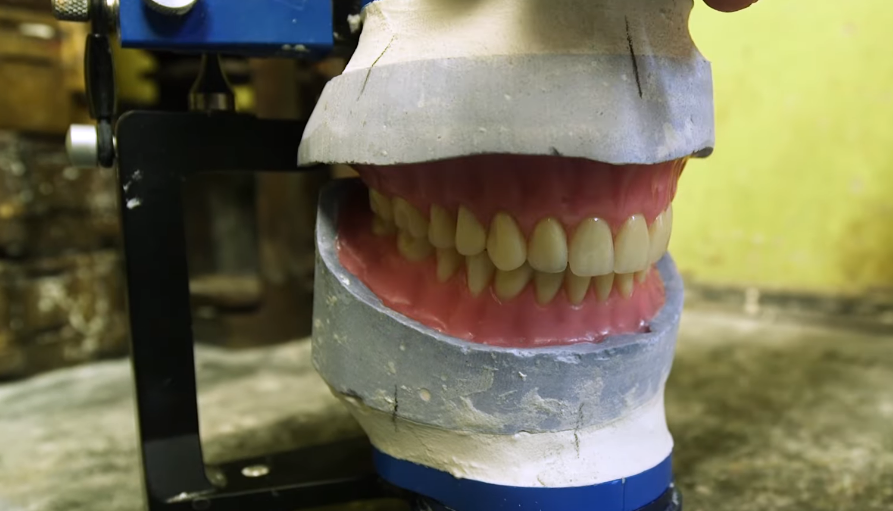
The material used to make dentures affects comfort a lot—more than most people realize. Rigid dentures may feel hard against your gums, while flexible ones bend and fit more easily. This difference changes how well your dentures stay in place—and how natural they feel when you’re eating or speaking.
Durability also varies by material—and it matters. Acrylic dentures can stain and chip more easily, while metal-based or high-quality resin options last much longer. Some materials need more cleaning and care to keep their look and function. People who want dentures to last should definitely consider how tough their material choice is.
Aesthetics matter too—especially if you care about appearance. Porcelain and acrylic often look natural, but porcelain is shinier—and it can match tooth color better. Flexible materials may look less like real teeth but blend beautifully with gum color. Over time, some materials keep their color and shine better than others.
Dr. Todd B. Harris, DDS, explains: “Here’s the thing about denture materials—it’s not just about what’s cheapest. It’s about what works best for YOU. The right material can change everything about your daily experience.”
Cost usually ties into material choice. Premium dentures cost more—but they offer better comfort, durability—and a more natural appearance. Budget options work well, but they might need replacing sooner. Choosing denture material depends on your personal needs, lifestyle—and what balance of price and quality feels right.
The Most Common Choice: Acrylic Resin Denture Bases
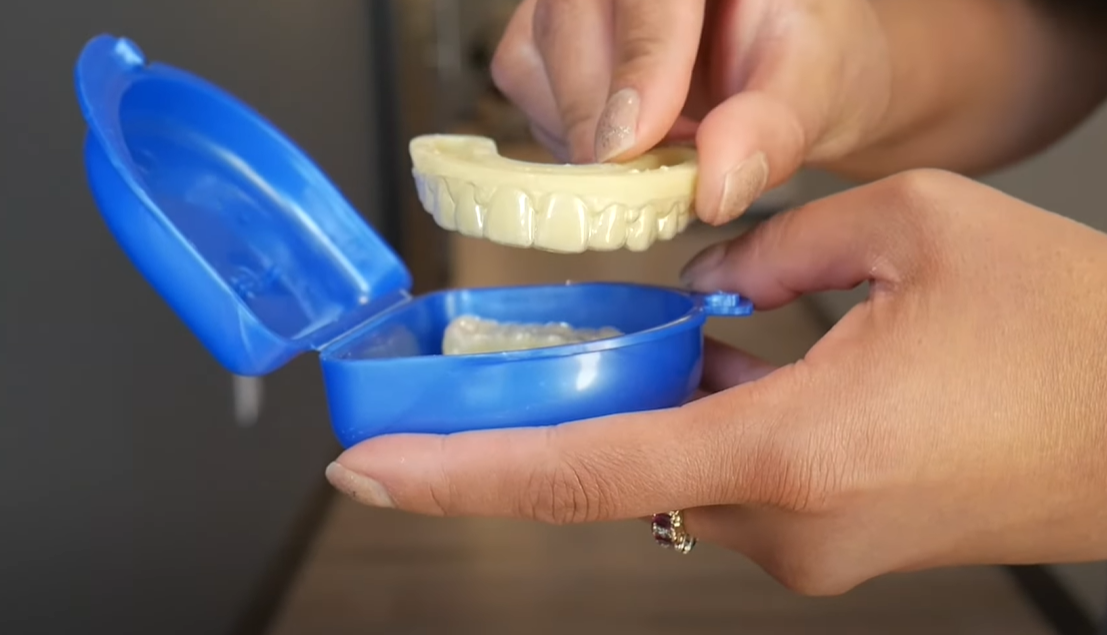
Acrylic resin is a special type of plastic used to make the base of dentures—the pink part that holds the artificial teeth. It’s custom-molded to fit your mouth perfectly, providing a secure and comfortable hold for the teeth. This material is the most popular choice for denture bases today—and for good reason.
Acrylic resin stands out because it’s cost-effective, versatile—and easy to adjust. Dentists use it often because it works well for a wide range of patients. It fits perfectly by molding to your gums. It’s lightweight but strong, allowing good suction and fit—which makes wearing dentures more comfortable.
The real pros of acrylic resin include:
-
Affordable — Budget-friendly option
-
Durable — Holds up well
-
Adjustable — Easy modifications
-
Aesthetic — Can be colored to match gums
-
Reliable — Time-tested material
-
Easy to repair — If broken, it’s fixable
However, acrylic has some honest downsides. It can be brittle—and it may break if dropped. It might stain or absorb odors without proper care. Also, it’s rigid—so it doesn’t flex like some other materials. Daily cleaning and occasional adjustments are necessary for good comfort.
Acrylic dentures generally last 5 to 8 years but can last longer with proper maintenance. This option is best for people who want a reliable, comfortable—and affordable denture base.
Acrylic Resin Teeth: Standard & Budget-Friendly
Acrylic resin teeth are made from a versatile plastic used in most dentures today. These teeth are custom-shaped and attached to an acrylic base that rests on your gums. They come in many shapes and colors—allowing them to look fairly natural and match your original teeth beautifully.
They help you chew food properly, speak clearly—and improve your smile significantly. Acrylic teeth also spread out chewing forces, which helps your denture fit better and work well. They’re the most common material for denture teeth because they balance cost and function perfectly.
Pros of Acrylic Resin Teeth:
-
Most affordable — Budget option
-
Adequate function — Work well for most people
-
Variety available — Many shapes and sizes
-
Easy to adjust — Can be modified
-
Replaceable — Can be swapped out
-
Reliable — Proven option
Cons of Acrylic Resin Teeth:
-
Less durable — More prone to wear
-
Staining risk — Can discolor over time
-
Chipping possible — Can crack or chip
-
Less natural appearance — vs premium options
-
Wear faster — Than premium materials
-
Maintenance needed — Regular cleaning required
Acrylic teeth usually last about 5 to 7 years with proper care. Most people get used to their feel—and speaking with them during the adjustment period. While they’re less expensive, they offer good value and work well for most first-time denture users or those on a budget.
Porcelain Teeth: The Premium Natural-Looking Option (Linda’s Story)
Linda, 62, started with standard acrylic teeth. After a few years, she noticed they weren’t looking as natural as she wanted—and they were showing signs of wear. Her dentist mentioned porcelain teeth as a more realistic and durable option. She decided to upgrade, and it changed everything for her.
Porcelain is a ceramic material—similar to fine china. It’s a premium artificial tooth material known for its natural look and exceptional strength. Porcelain teeth resist staining beautifully—and keep their shine much longer than acrylic. Linda loved how her new teeth stayed white and looked like real enamel. She said, “People don’t even know I have dentures. They look completely real.”
The benefits of porcelain include:
-
Incredibly natural — Hard to tell from real teeth
-
Stays white — Resists yellowing beautifully
-
Maintains shine — Natural shine preserved
-
Color stable — Doesn’t change over time
-
Lifelike texture — Very realistic appearance
-
Professional look — Business/formal advantage
But porcelain teeth do have some honest drawbacks. They cost much more than acrylic—and they’re a bigger investment. They can break if dropped hard—and they take longer to fit due to custom lab work. Sometimes adjustments are more limited.
Linda feels the cost is absolutely worth it. She mentions, “It’s an investment in my confidence and appearance. I’m not self-conscious anymore.” Porcelain suits those who want a professional look, value long-term durability—and can afford the higher price. It also offers a stronger surface, making it easier to eat a variety of foods confidently.
Composite Resin: The Best of Both Worlds
Composite resin is a blend of resin and ceramic particles—creating a material that’s stronger than acrylic but less fragile than porcelain. It offers a natural look, making it a popular choice for dentures today. The resin base gives dentures a lighter feel—while the ceramic particles add strength and durability. This combination results in a material that resists staining much better than acrylic. It also maintains its appearance well over time—lasting around 6 to 8 years or more.
Compared to acrylic, composite resin is more durable and looks more like real teeth. It costs more but lasts longer—and handles most foods with ease. Against porcelain, it’s more affordable and easier to adjust—but not quite as strong. This makes it a practical choice for many.
Composite resin balances cost, comfort—and looks beautifully. It’s ideal for patients who want a natural appearance without paying porcelain prices. While it may need replacement eventually, it offers good value and performance in a medium price range.
Rigid Acrylic Framework: The Traditional Approach
Rigid acrylic dentures use a solid plastic base as their framework. This traditional material is the most common—and offers a strong, durable structure. It holds your teeth firmly in place and doesn’t flex or bend—maintaining its shape and alignment over time perfectly.
Because it doesn’t flex, the acrylic framework provides a stable, predictable fit. This means it delivers consistent pressure distribution—making speaking and eating easier. Many wearers appreciate its reliable support and firm feel. You know exactly what you’re getting—and it stays consistent.
Advantages include:
-
Strong — Reliable support
-
Proven — Time-tested approach
-
Cost-effective — Budget option
-
Easy to clean — Simple maintenance
-
Adjustable — Can be modified
-
Predictable — Consistent performance
However, the rigidity means the base can feel bulky or stiff—especially during the initial adjustment period. It may cause soreness in sensitive gums—and it isn’t flexible enough to adapt well to mouth changes. There’s also a risk of cracking if dropped hard.
Typically, these dentures last 5 to 8 years with proper care. They work best for most patients—especially those seeking stability and affordability without sensitive gum issues. This framework balances cost, durability—and performance effectively.
Flexible Nylon: Comfort for Sensitive Gums (Robert’s Story)
Robert, 55, struggled with his rigid acrylic dentures for years. He developed sore spots on his gums that made eating uncomfortable—and he couldn’t figure out why. Some days the pain was unbearable. His dentist suggested trying a flexible nylon framework—and it genuinely changed everything for him.
Flexible nylon is a modern material made from a flexible polymer. Unlike rigid acrylic, it bends and flexes naturally—adapting to the natural movements and shape changes of your gums. This flexibility helps reduce pressure points that often cause discomfort and those painful sore spots.
The key difference between flexible nylon and traditional dentures is how they move with your gums. Rigid dentures stay stiff—which can create painful pressure areas. Flexible nylon distributes pressure better—and feels more natural inside your mouth. This makes it especially good for people with sensitive gums or those who’ve struggled with traditional dentures.
Robert said, “I had these painful spots that wouldn’t heal—no matter what I tried. My dentist recommended flexible nylon, and it was like night and day. No more sore spots. I could eat again. I wish I’d done this sooner.” He’s now eating better—and feeling more confident with his dentures.
Some downsides to flexible nylon include:
-
More expensive — Than rigid acrylic
-
Slightly more fragile — Material property
-
Requires careful cleaning — Different care needed
-
Fewer adjustment options — Less modifiable
-
Newer material — Less long-term data available
| Feature | Flexible Nylon | Rigid Acrylic |
|---|---|---|
| Flexibility | High — bends with gum movements | Low — rigid, no flex |
| Comfort | Better for sensitive gums | Can cause pressure and soreness |
| Cost | Higher than acrylic | Lower cost |
| Durability | 5-7 years, good with care | Long-lasting but less forgiving |
| Cleaning | Needs gentle, special care | Standard cleaning routines |
Still, flexible nylon’s comfort and ability to reduce soreness make it a great choice for many. If you’ve had problems with rigid dentures—flexible nylon might be your answer.
Metal Frameworks: Maximum Strength and Durability (Patricia’s Story)
Patricia, 68, wanted her partial denture to last for many years. She wanted something she could rely on—without worrying about breaking it. Her dentist recommended a metal framework—typically made from a cobalt-chromium alloy. This metal is medical-grade, incredibly strong—and resistant to corrosion. Patricia was worried it might look cheap or heavy.
She was pleasantly surprised to find the framework very thin and light—nothing like the bulky plastic dentures she expected. The metal is hidden behind her teeth, so it doesn’t affect her smile’s appearance at all. Patricia said, “The strength gives me confidence. I don’t worry about breaking it. And it’s so thin—I barely notice it’s there.”
Metal frameworks offer several real benefits—especially for partial dentures:
-
Extremely strong — Won’t break
-
Thinner possible — Can be delicate-looking
-
Lighter weight — More comfortable
-
Long-lasting — 10-15+ years typical
-
Superior support — Ideal for partial dentures
-
Hypoallergenic — Safe for sensitive mouths
Partial dentures need good support—and metal clasps hold better than plastic ones. This stops shifting—and adds stability for eating and speaking. Patricia felt her denture was a premium investment but absolutely worth it because of its durability and function.
Dr. Harris adds: “Metal frameworks are exceptional for patients who want durability and confidence. You’re not just getting teeth—you’re getting a solution that’ll last decades.”
Care is simple too. Metal frameworks don’t need special cleaning—just normal denture care. They stand up well to daily wear, making them ideal for those needing a reliable, long-term solution.
Side-by-Side Cost Comparison: Which Option Fits Your Budget?
Choosing denture materials means balancing cost, comfort, durability—and appearance. The table below breaks down common options for bases, teeth—and frameworks with price ranges and key qualities:
| Material | Component | Cost Range | Durability | Comfort | Appearance |
|---|---|---|---|---|---|
| Acrylic | Base | $800–$1,500 | 5–8 years | Fair | Good |
| Acrylic | Teeth | $400–$800 | 5–7 years | Fair | Fair |
| Porcelain | Teeth | $800–$1,500 | 8–10+ years | Good | Excellent |
| Composite | Teeth | $600–$1,200 | 6–8+ years | Good | Very Good |
| Rigid Acrylic | Framework | $800–$1,500 | 5–8 years | Fair | Good |
| Flexible Nylon | Framework | $1,200–$1,800 | 5–7 years | Excellent | Good |
| Metal | Framework | $1,500–$2,500 | 10–15+ years | Very Good | Excellent |
Acrylic base and teeth are usually the cheapest—but don’t last as long. Porcelain teeth with a metal framework provide the best durability and appearance—but cost much more.
Flexible nylon frameworks offer the most comfort without a big price jump. Composite teeth with a rigid acrylic base often balance cost and quality well.
Higher prices usually mean better durability—but less expensive dentures still work. Payment plans can help make premium choices easier to afford. The key is finding what works for YOUR situation and budget.
How to Choose the Right Denture Materials for You
Choosing the right denture materials depends on several key factors. First, budget plays a major role. Dentures come in a range of prices—from affordable acrylic bases to more expensive metal and porcelain options. It’s important to balance cost with quality—and consider if upgrading later is possible.
Appearance matters if a natural look is a priority. Porcelain teeth or metal frameworks often look more realistic—but they tend to cost more. Someone who works in a professional setting or values a confident smile may lean toward these materials.
Comfort is crucial—especially for those with sensitive gums. Flexible nylon frameworks can reduce irritation beautifully—while rigid materials may cause discomfort. Understanding your own gum sensitivity helps decide if flexibility or firmness is better for you.
Durability is another big factor. If you want long-lasting dentures—say 5 to 10+ years—metal frameworks with porcelain or composite teeth are often best. Those okay with replacing dentures more frequently might choose lighter or less durable materials.
Lifestyle must be considered too. Active people who eat hard foods might benefit from stronger materials. Social or professional environments can also influence your material choice.
| Priority | Recommended Material |
|---|---|
| Budget-first | Acrylic base + acrylic teeth |
| Appearance-first | Porcelain teeth + metal framework |
| Comfort-first | Flexible nylon framework |
| Durability-first | Metal framework + composite or porcelain |
Choosing denture materials means weighing these priorities carefully. It’s not just what’s cheapest—but what fits your needs and lifestyle comfortably. And remember—you’re not locked into one choice forever.
How Long Will Your Dentures Last? Material Durability Explained
Dentures are made from different materials—and each affects how long they last significantly.
Acrylic dentures usually last about 5 to 8 years. They’re common because they’re affordable and easy to repair—but they can wear down faster. Porcelain dentures tend to be more durable—often lasting 8 to 10 years or more—but they can be brittle. Composite dentures fall in the middle—with a lifespan around 6 to 8 years. Dentures with a metal framework may last 10 to 15 years or longer due to their exceptional strength.
Several factors influence durability beyond the material itself:
-
Your daily care routine
-
How gently you treat them
-
What you eat
-
How often you have them cleaned professionally
-
Regular check-ups and adjustments
-
Your bite force
Damage can come from hard or sticky foods, dropping dentures—and poor cleaning habits. Signs that dentures need replacement include cracks, staining, teeth wearing down, discomfort—and fit changes as your gums shrink over time.
Proper care extends their life significantly. This includes gentle handling, daily cleaning with denture-safe products, safe storage at night—regular dental check-ups—and prompt repairs when needed.
| Material Type | Average Lifespan |
|---|---|
| Acrylic | 5–8 years |
| Porcelain | 8–10+ years |
| Composite | 6–8+ years |
| Metal framework | 10–15+ years |
Planning for replacement and regular maintenance helps keep dentures functional and comfortable for their full expected life. Don’t wait until they’re falling apart—professional care makes all the difference.
📞 Ready to Choose Your Perfect Denture Materials? Let’s Talk
Here’s the truth: you don’t have to figure this out alone. Understanding denture materials isn’t just trivia—it’s empowerment. The right material choice affects your smile daily—and your confidence matters.
Whether you’re thinking about getting your first dentures—or you want to upgrade your current ones—Harris Dental Associates is here to help. We work with patients every single day on material choices. We understand your concerns—and we won’t judge you based on budget. We’ll help you find the right solution for YOUR life.
Here’s what makes us different: we listen. We ask about your budget, your timeline—and what matters most to you. Then we explore options that actually work for your situation. No pressure. No judgment. Just real solutions backed by expertise.
What to expect at your consultation:
-
Full evaluation of your gum health and needs
-
Honest discussion of all your material options
-
Real cost breakdown with no surprises
-
Durability expectations explained clearly
-
Comfort considerations discussed
-
Aesthetic goals explored
-
Lifestyle factors considered
-
Custom recommendation based on YOU
-
Answers to every single question you have
-
A plan that fits your budget and goals
Why consult with a professional?
Online information is helpful—but a professional assessment is crucial. We examine your gum health, consider your custom fit needs—and make personalized recommendations. We’ve worked with countless patients—and we know what works. Most importantly, we partner with you for long-term success.
Schedule Your Denture Consultation Today
Don’t wait—your smile matters. You deserve to feel confident—at whatever budget works for you.
📞 Call Harris Dental Associates now:
Phone: (508) 584-6070
Email: info@harrisdentalassociates.com
About The Author