
If you buy through links on our site, we may earn a small affiliate commission to help support the blog - at no extra cost to you. It never influences our product selection process. Thank you!
Your Invisalign treatment is complete—congratulations! But here’s the thing you need to know: your retainer journey is just beginning—and this is when many patients make a critical mistake.
Wearing a retainer is essential, and most people need to wear theirs full-time for the first 3 to 6 months after finishing Invisalign—then continue with a reduced daily or nightly schedule—sometimes for life. Teeth naturally want to shift back to their old positions—so without a retainer, this movement can happen slowly—and it may become permanent.
Teeth have a “memory” that pushes them toward their previous alignment. Even with a perfect Invisalign outcome—skipping the retainer puts that progress at risk. The cost of Invisalign is high—often thousands of dollars—so wearing a retainer is a small step to protect that investment—and avoid the need for more costly corrections later.
This article will explain how long retainers need to be worn, the typical wearing schedules—types of retainers—how to care for them—and when to replace them. Understanding these details helps you keep your new smile for life with minimal effort. You’re not alone in this journey—and we’re here to guide you.
The Invisalign Retainer Schedule: How Long Should You Wear Yours?
The Invisalign retainer schedule has three main phases—and each one is important. In the first 6 months—wearing the retainer full-time is crucial. The retainer should be worn 24 hours a day—removing it only to eat, brush—or floss. Sleeping with the retainer in helps keep your teeth stable. This phase is critical because your teeth are still adjusting—and removal for long periods can cause shifting.
From months 6 to 12—you’ll usually transition to wearing the retainer mostly at night. You may wear it part-time during the day—but you should never skip nightly wear. This gradual change lets your bones and gums settle—while keeping your teeth in place. It’s normal to wear the retainer most days—and especially every night.
After one year—the schedule shifts to wearing your retainer nightly forever. Your teeth are more stable at this point—but the retainer remains essential to maintain your results long-term. Most people find this easier to manage since only nightly wear is required—and it becomes automatic.
Dr. Todd B. Harris, DDS, explains: “Here’s the thing about retainers: they’re not temporary. They’re the foundation of your long-term smile. I tell every patient—the first six months is critical. This is when your teeth are most likely to shift back.”
Your orthodontist will tailor this schedule to your specific needs—so following their guidance is key. Generally, the rule is straightforward:
| Phase | Wear Time | Notes |
|---|---|---|
| First 6 months | Full-time (20–22 hours) | Remove only to eat/brush |
| 6–12 months | Mostly night | Some daytime okay |
| After 1 year | Nightly forever | Long-term maintenance |
Sticking closely to this schedule helps protect your investment—and keeps your smile lasting.
How Long Do Invisalign Retainers Last?
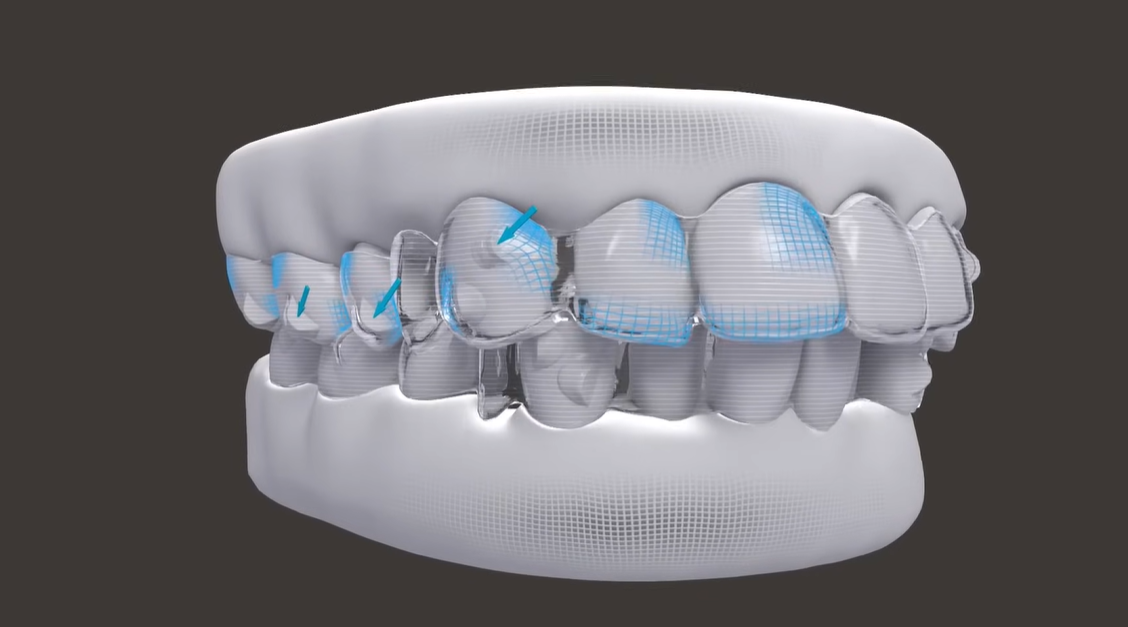
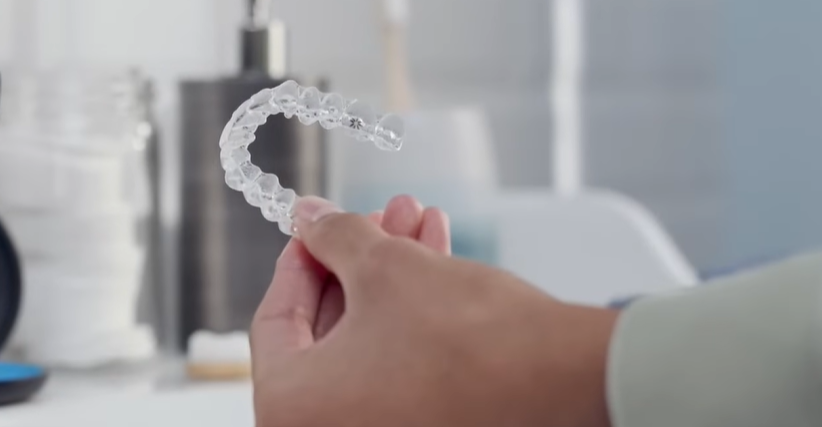
Invisalign retainers usually last between 1 to 5 years—but this depends on several factors. The most common type—clear plastic retainers—often last about 1 to 2 years. With careful cleaning and proper use—some can stretch closer to 2 years. You should plan on replacing them regularly to avoid damage or loss.
A premium option is the Vivera retainer. These tend to last longer—typically 3 to 5 years—because they use thicker, stronger materials. They cost more—but they can be a better long-term investment for those wanting durability.
How long a retainer lasts depends on:
-
Daily wear patterns — How often you wear it
-
Individual habits — Teeth grinding, rough handling
-
Maintenance — Proper cleaning and storage
-
Heat exposure — Keeping away from warm temperatures
-
Handling care — Using fingertips, not nails
People who are rough with their retainers—or don’t clean them well—may see shorter lifespans. Wear patterns and individual habits make it hard to predict exactly how long any retainer will hold up.
Replacement costs typically range from $200 to $500. Standard retainers cost less—while Vivera retainers cost more. Compared to Invisalign treatment—replacement retainers are relatively affordable—and they protect your investment in a straight smile.
It’s important to understand that retainers won’t last forever. Regular replacement is normal—expected—and necessary to keep your teeth in place.
Vivera vs Standard Retainers: Which Should You Choose?
Standard clear retainers are the most common type. They’re made by general labs—cost less—and typically last 1 to 2 years. Many people find them effective and easy to replace when needed. They work well—and they offer a budget-friendly option after Invisalign treatment.
Vivera retainers—made by Align Technology—are the official Invisalign product. They use a premium, thicker material designed to last longer—about 3 to 5 years. They cost more—but they provide better durability—and a more precise fit. These retainers are recommended for those who want fewer replacements—and want to invest in long-term care.
| Feature | Standard Clear Retainers | Vivera Retainers |
|---|---|---|
| Material | Standard thermoplastic | Premium, thicker plastic |
| Durability | 1–2 years | 3–5 years |
| Cost | $200–300 | $300–400 |
| Availability | Any dental lab | Invisalign provider |
Dentists often suggest choosing based on budget. Both types work well—but Vivera has slight advantages in strength and longevity. It’s fine to start with the standard retainer that comes with your treatment—then upgrade if needed. Regardless of type—the key is to wear your retainer as directed—and keep it clean for lasting results.
What Affects Your Retainer Lifespan?
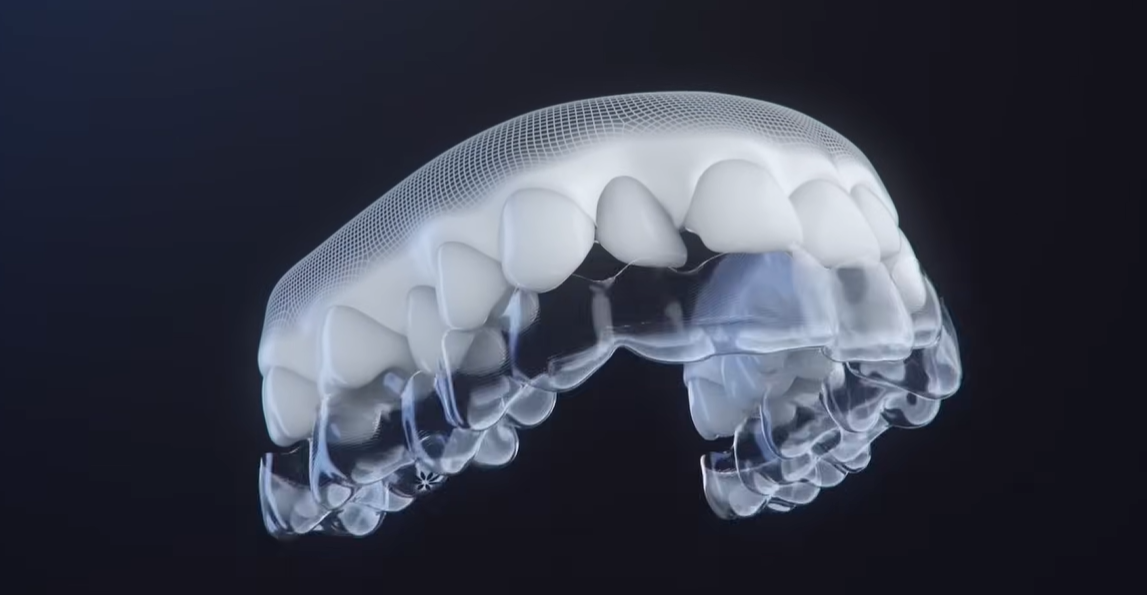
Several factors affect how long an Invisalign retainer lasts. One of the biggest is teeth grinding (bruxism). This habit wears down retainers fast—and can halve their lifespan. It also causes visible damage—making grinding the most damaging habit for retainers.
Heat exposure is another major risk. Hot water or heat from a warm car can warp the plastic. Your retainer should only be cleaned with lukewarm water. High temperatures deform the material—and shorten its life significantly.
How you handle your retainer matters a lot. Using nails or rough removal can cause tears or cracks. Gentle removal with fingertips is essential to avoid damage. Careless handling leads to early replacements—and unnecessary expense.
Daily wear causes normal—gradual wear and tear. Even with careful use—retainers degrade over time—and they need replacing. Good maintenance—like cleaning properly—and storing in a protective case—helps extend their life considerably.
Individual habits also play a big role. Eating with the retainer—or dropping it often—can cause damage. Poor cleaning or storage may scratch or warp the material. Protective measures such as night guards and cases help prevent damage—and extend the lifespan.
Typically, with good care—standard retainers last 1-2 years—while Vivera retainers can last 3-5 years. Poor care or grinding may shorten this to under a year—but using a night guard can restore normal lifespan.
Rachel’s Success Story: What Happens When You Follow Through
Rachel, 28, finished her Invisalign treatment three years ago—and she committed to wearing her retainer exactly as her orthodontist instructed. Today—her teeth remain perfectly aligned—proof that sticking to the retainer schedule matters.
At first—Rachel worried about wearing a retainer forever. She wondered if it would really keep her teeth in place. The idea of wearing it nearly 24/7 for the first six months felt overwhelming. These are common concerns for many patients starting retainers—and they’re completely understandable.
Rachel followed the plan without skipping a day—and her teeth stayed perfectly straight. For the first six months—she wore her retainer full-time, removing it only to eat, drink—and brush. After that—she switched to wearing it nightly—and never missed a night. Her routine became simple—and soon it was automatic.
Her timeline looked like this:
| Time Period | Retainer Wear | Results |
|---|---|---|
| Months 1–6 | 24/7 except eating | Teeth stabilizing |
| Months 6–12 | Mostly nightly | Continued stability |
| Year 2 and 3+ | Nightly only | Perfectly aligned still |
Because of this commitment—Rachel’s teeth haven’t shifted at all. Her $6,000 investment stayed protected—and she has no regrets. Rachel says:
“I was worried at first about wearing it forever—but honestly? It became as normal as brushing my teeth. Three years later—my smile is still perfect. It was worth every second of effort.”
She advises others not to stop wearing their retainers:
“It’s not a burden—it’s protection. Do it to keep your smile straight and beautiful. You won’t regret it.”
Rachel’s story shows that following through on retainer wear leads to lasting—real results—and complete peace of mind.
Michael’s Warning: What Happens When You Stop
Michael, 35, finished his Invisalign treatment—and he wore his retainer for about a year. He believed his teeth were stable—and he thought he wouldn’t have to wear the retainer forever. So—he stopped wearing it each night. At first—nothing seemed wrong.
But after a month—Michael noticed his teeth shifting slightly. After three months—the changes were clear. By six months—his teeth had moved significantly. A year later—they looked almost like they did before Invisalign. His lower front teeth became crowded again—and his bite changed noticeably.
The consequences were devastating—and expensive. Michael lost the alignment he’d paid thousands to achieve. He ended up spending another $5,000—and six more months getting Invisalign treatment again. He had to repeat the entire process—which meant months of wearing aligners—and starting his retainer journey all over.
He shared his regret:
“I thought I was done. I believed once my teeth were straight—they’d stay that way. I was so wrong. Within a year—they shifted back completely. I should’ve just kept wearing my retainer. Now I wear it every single night—and I never skip.”
Michael’s story reminds us that teeth always try to move back without a retainer—even when you think they’re stable. Wearing it isn’t optional—it’s a lifetime task. Stopping wear causes gradual—often permanent shifting. His experience is a clear warning: the cost of skipping your retainer is high.
Amanda’s Special Case: Managing Teeth Grinding
Amanda, 42, finished her Invisalign treatment excited about her new smile—but she had one unique challenge—she’s a chronic teeth grinder. This habit changed her retainer approach completely.
Grinding teeth at night—also called bruxism—puts constant pressure on retainers. It can cause warping, cracking—and visible damage that wears out the retainer fast. For Amanda—her first retainer cracked within three months. Rough edges and tears showed up—so she had to replace it sooner than expected.
She felt frustrated at first. She wondered if she’d done something wrong—or if her retainer was defective. But her orthodontist explained that grinding was the culprit—and there was a solution.
To fix the problem—Amanda got fitted for a night guard. She wears it over her retainer every night. The night guard takes the grinding force—protecting the retainer underneath. This setup keeps her smile straight—while preventing damage—and extending her retainer’s lifespan.
Since starting the night guard—Amanda’s retainers last the normal timeframe. She sleeps better knowing her teeth and retainer are safe. Though a night guard can cost $200 to $500—it protects her Invisalign investment—and saves money on frequent replacements.
Amanda calls it a “game changer”:
“I’m a chronic grinder—and I was destroying my retainers in just a few months. My dentist suggested a night guard—and it completely solved the problem. Now my retainers last as long as they should—and I sleep knowing everything’s protected.”
Dr. Harris adds: “If you grind—we need to talk about it. A night guard is essential—and it’s worth every penny. It protects both your teeth and your retainer—and safeguards your entire Invisalign investment.”
If you grind your teeth—it’s important to tell your orthodontist immediately. A night guard can protect both your teeth and retainer—and prevent costly replacements.
How to Care for Your Invisalign Retainer
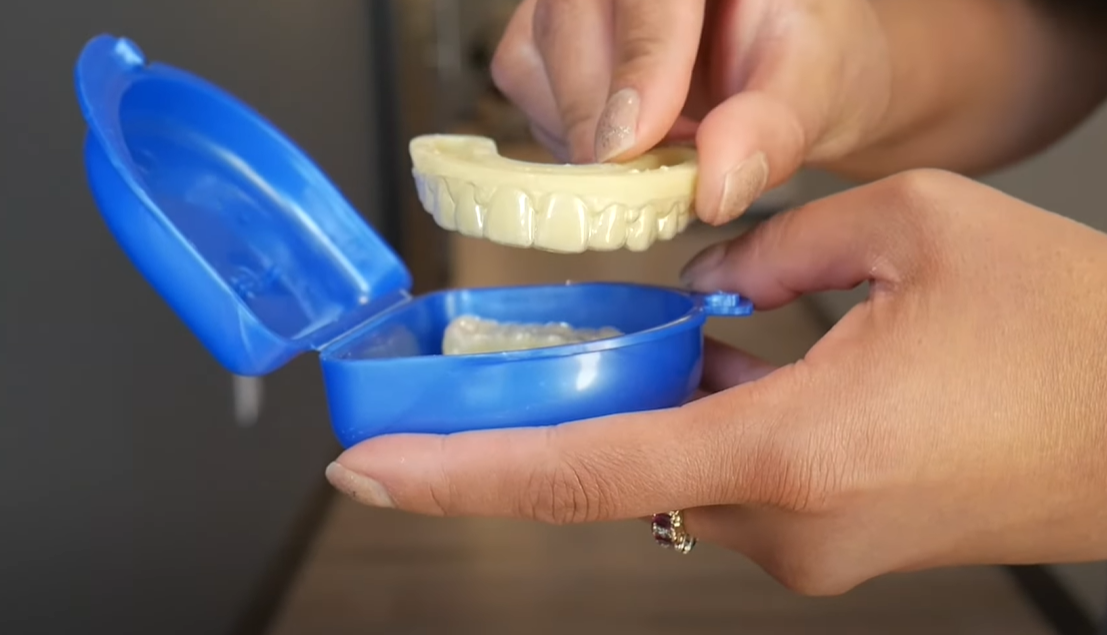
You should always store your retainer in its protective case. Leaving it loose in a pocket—in the car—or near heat sources can cause damage or loss. The case must be kept in a cool, dry place—away from pets and children.
Daily cleaning is important—and it’s easy. Use a soft toothbrush and lukewarm water with mild soap or cleaner. Harsh scrubbing or hot water can warp or scratch your retainer. Gentle brushing with careful motions works best. After cleaning—it’s good to let your retainer soak briefly in its case with fresh water.
You should remove your retainer carefully using fingertips—not nails. Always start at the edges—and use gentle wiggling to avoid damage. Removing it before eating is crucial—it prevents staining—and protects your retainer from harm.
Once or twice a week—a deeper clean using a denture tablet can help remove buildup—and keep your retainer clear. Soak for a short time—then rinse thoroughly. Avoid dishwashers, sunlight—and heat—as these cause warping.
If your retainer feels loose—has visible damage—or can’t be cleaned properly—you should contact your dentist. Replacement usually happens every 1 to 2 years—but it can vary based on the type and wear.
Signs It’s Time to Replace Your Invisalign Retainer
An Invisalign retainer shows clear signs when it needs replacing. Visible damage like cracks, chips—rough edges, tears—or permanent discoloration means the retainer is no longer effective. If these issues appear—replacement is necessary to protect your teeth.
Loose fit is another major sign. If your retainer slips—doesn’t feel snug—or moves around in your mouth—it won’t hold your teeth in place. This loss of retention power means it should be replaced immediately—before teeth shift.
When a retainer can’t be cleaned properly—with stubborn buildup, discoloration—or residue that won’t come off—it becomes a hygiene concern. This also signals time for a new retainer—to avoid oral health problems.
Normal wear and tear—such as visible scratches or surface wear—happens over time. Typically—standard retainers last 1-2 years—while Vivera retainers can last 2-3 or more years. Regular dental visits help check when it’s time to replace.
It’s best to replace proactively—before the retainer breaks or fails. Waiting too long risks shifting teeth. Dentists often recommend timely replacement—to maintain a stable, healthy smile.
Common Retainer Mistakes to Avoid
One big mistake is stopping retainer use. Teeth can shift back quickly—meaning costly repeat treatment—and wasted time. Patients who stop too soon often regret it deeply.
Using hot water to clean the retainer is another error. Hot water warps the shape—and damages the material. Lukewarm water is best—to protect your retainer’s life.
Some try to remove their retainer with nails—but this creates scratches and tears. It’s safer to use fingertips gently. Rough removal leads to damage—and unnecessary replacement costs.
Eating with the retainer in causes stains—and traps food. This hurts hygiene—and can break the retainer. You should remove it before every meal—without exception.
Leaving your retainer in a hot car risks warping it permanently. Heat alters the material in minutes. Always keep it with you—in its protective case.
Not using a case increases the chance of losing or damaging your retainer. Pets can even chew it. Using the case is simple—and it protects your retainer completely.
Ignoring small damage can make things worse. If your retainer feels off—or breaks—contact your dentist promptly for repair or replacement. Don’t wait hoping it will improve.
Skipping nights early reduces hold on your teeth—and speeds shifting. Following the schedule closely—especially the first six months—is critical—and non-negotiable.
Harsh cleaning scratches the surface—and shortens life. A gentle brush is enough—to keep it clean.
Missing dentist visits means problems may go unnoticed. Regular checkups help track wear—and replacement needs. They’re essential for monitoring your retention.
Those who grind their teeth risk destroying the retainer quickly. A night guard is necessary—to avoid quick replacements—and expense.
Finally—some think retainers are temporary. They aren’t. Wearing them is a lifelong commitment—to keep your teeth straight—and your smile beautiful forever.
Lifetime Retention: A Forever Commitment Worth It
Teeth never stop moving. This is a biological fact—and it’s important to accept. Even after Invisalign treatment—your teeth will try to shift back to their old positions. A retainer prevents this from happening—and it keeps your teeth stable—and preserves your new alignment.
Wearing a retainer is a long-term commitment. It protects the investment made during Invisalign treatment—and keeps your smile looking good for life. The effort is small—usually just wearing your retainer at night—and the payoff is big: years—or decades—of straight teeth.
The first 6 months can be the hardest—as you need to wear your retainer nearly full-time. After a year—it becomes a habit. After a few years—wearing it nightly feels automatic—like brushing your teeth or other daily routines. It stops feeling like a burden—and becomes just part of who you are.
Most patients move to just nighttime wear—taking 30 seconds before bed to put it in. This small step saves you from costly treatments—and shifting teeth. Your dentist supports you with regular checkups—making the process easier—and more manageable.
Many people—like Rachel who’s worn hers for 3 years—report perfect results—and no regrets whatsoever. The key is simple: wear your retainer consistently—and your smile depends on your choice—and your commitment. You’ve come this far—don’t let your teeth shift back now.
📞 Ready to Commit to Your Smile? Schedule Your Retainer Consultation
Here’s the truth: your retainer is forever—and that’s the point. Don’t leave your Invisalign investment unprotected. You deserve to keep your beautiful new smile—for life.
Whether you’ve just finished Invisalign—or you’re wondering about your current retainer schedule—Harris Dental Associates is here to help. We work with patients every single day on retainer planning—and long-term retention. We understand your commitment concerns—and we won’t judge you. We’ll help you find the right solution for YOUR situation.
Here’s what makes us different: we listen. We discuss your wearing schedule, your concerns—and your goals. Then we create a personalized retention plan—that works for your life. No pressure. No judgment. Just real solutions backed by expertise—and years of success.
What to discuss at your consultation:
-
Your specific retainer wearing schedule
-
Which retainer type is best for you
-
Whether you need a night guard (if grinding)
-
Travel retainer considerations
-
Replacement timeline and cost
-
Budget and financing options
-
Your unique retention concerns
Why consult with Dr. Harris:
Online information is helpful—but a professional assessment is essential. We examine your situation, consider your healing timeline—and make personalized recommendations. We’ve worked with countless patients successfully—and we know what works. Most importantly—we partner with you for long-term success—and lifetime retention.
Schedule Your Retainer Consultation Today
Don’t wait—your smile matters. You deserve to keep your investment safe—and protected forever.
📞 Call Harris Dental Associates now:
Phone: (508) 584-6070
Email: info@harrisdentalassociates.com
About The Author