
If you buy through links on our site, we may earn a small affiliate commission to help support the blog - at no extra cost to you. It never influences our product selection process. Thank you!
Your Invisalign treatment has started—and you’re excited about straightening your teeth. But there’s one thing you didn’t expect: your mouth feels really dry. You’re wondering if this is normal—if it’s going to last—and what you can do about it.
Dry mouth from Invisalign is usually temporary and improves as your mouth adjusts to the aligners. Most people see this issue lessen over time—and simple steps can help manage the discomfort. The feeling often happens because the aligners can change saliva flow or cause mouth breathing—but your body typically adapts.
Understanding why this happens—and how long it may last—can reduce worry and make the process easier. This article explains what to expect—practical ways to ease dry mouth—and signs that might require extra care. Knowing these facts helps you stay confident during your Invisalign journey.
Yes, Invisalign Dry Mouth Usually Goes Away
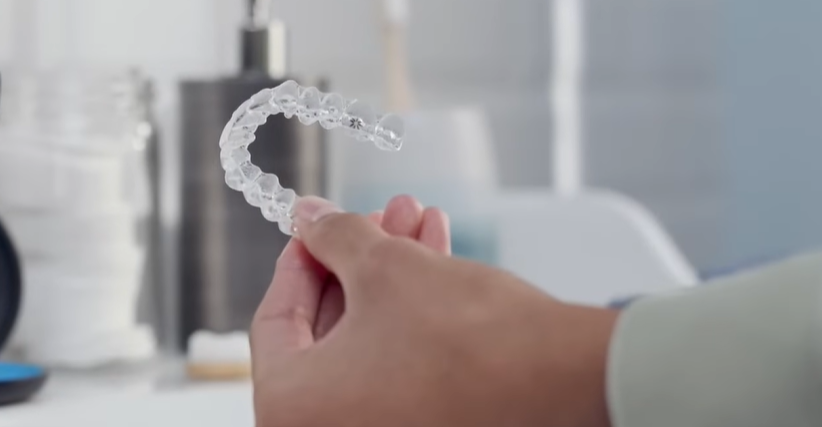
Yes—Invisalign dry mouth usually goes away. It’s often a temporary issue caused by your mouth adjusting to a foreign object. Most patients see the worst dryness between days 1 and 7—especially around days 1 to 3. This is when saliva flow can be interrupted the most.
By week 2 to 3—dryness typically improves as saliva production starts to normalize. After about a month—most patients no longer feel dry mouth. Your body learns to adapt—and your mouth gets used to wearing the aligners regularly.
Dr. Todd B. Harris, DDS, explains: “Dry mouth is one of the most common complaints I hear from new Invisalign patients—and it’s almost always temporary. Most patients see significant improvement within 2-3 weeks as their body adapts. This is a normal protective response—not a sign of treatment failure.”
Rarely—dryness lasts longer but is usually manageable with remedies. True permanent dry mouth from Invisalign is very uncommon. Professional help is available if dryness persists beyond a few weeks. You’re not alone—many have felt this and healed with time.
| Timeline | Typical Experience |
|---|---|
| Days 1–3 | Peak dry mouth for some |
| Week 1 | Worst dryness may occur |
| Weeks 2–3 | Noticeable improvement |
| Week 4+ | Most cases resolved |
Why Does Invisalign Cause Dry Mouth? The Science Explained
Invisalign aligners are foreign objects in your mouth. When you first wear them—your mouth treats them as an irritant. This triggers a normal defensive response. Over time—your body adapts and the feeling eases.
The aligners cover your teeth—which changes your natural saliva flow. Saliva helps keep your mouth moist—but the aligners act as a barrier. This can make saliva production feel different. Usually—your body needs a few weeks to adjust and restore balance.
Another factor is trapped air inside the aligners. This can increase evaporation and make your mouth feel drier than usual. It’s a temporary effect—and it doesn’t mean there’s a serious problem.
This dry mouth feeling is a protective response—your mouth trying to manage a new situation. It’s similar to how you feel when breaking in new shoes or adjusting to braces, contacts, or dentures. Initial discomfort is expected—but comfort improves with time.
The adjustment often happens in stages: initial reaction, increasing tolerance, then complete adaptation. Knowing this helps you understand dry mouth isn’t dangerous or a sign your treatment is failing. It’s simply your mouth learning to work with Invisalign.
Lisa’s Story: From Severe Dryness to Relief in Three Weeks
Lisa, 29, was excited to start Invisalign. But by day three—her mouth felt very dry—worse than anything she’d ever felt before. She wasn’t sure if this was normal or if she was doing something wrong. At times—she wanted to stop treatment because the dryness was so uncomfortable.
During the first week—Lisa’s dry mouth was constant. Mornings were the worst—and nights were hard because she woke up feeling parched. Drinking coffee, eating salty snacks, and being in a warm, dry room made the dryness worse. She didn’t drink enough water—which added to the problem. Emotionally—Lisa felt worried and frustrated. She even questioned if she should continue treatment.
By week two—things started to improve. The dryness was less severe and more manageable. Lisa found that drinking more water, using sugar-free mints, and spraying her mouth with special products helped a lot. Running a humidifier at night and avoiding caffeine also made a big difference. She began to feel more confident.
In week three—Lisa noticed major relief. The dryness was mostly gone—with only occasional discomfort. She developed a routine that kept her mouth moist and comfortable. Now—three months into treatment—Lisa hardly experiences dry mouth at all. Her teeth are moving as planned—and she’s glad she kept going.
Lisa says: “Week one was really rough. I thought I’d made a mistake with Invisalign. But after talking to my orthodontist and making changes—it got much better. Now I hardly think about dry mouth. I’m so grateful I didn’t give up.”
When Does Invisalign Dry Mouth Get Better? The Improvement Timeline
Invisalign dry mouth usually starts within the first few days of wearing your aligners.
Days 1-3 can be the toughest—with peak dryness for many. This is a normal reaction as your mouth adjusts to a new object. Don’t panic—solutions can help immediately.
By week 1—most people still feel some discomfort but find it more manageable. You’ll begin trying different solutions like staying hydrated and using moisturizers. Each day tends to get a bit better.
Between weeks 2 and 3—noticeable improvement happens. Your dryness lessens—and while some dryness remains—it’s much easier to handle—and overall comfort improves.
After week 4—many wearers experience major relief. For most—dry mouth is almost gone or easily controlled with simple care. Your body has adapted—and only a few minor symptoms remain.
| Timeframe | Typical Experience |
|---|---|
| Days 1-3 | Initial dryness, may be severe |
| Days 4-7 | Still dry but manageable |
| Week 2 | Noticeable improvement |
| Week 3 | Significant relief for most |
| Week 4+ | Major improvement, mostly gone |
The timeline varies due to hydration, health, and habits. Some adapt quicker—while others take longer. A few may have persistent dryness but can manage it with proper care or professional help.
Stay Hydrated: Your Most Important Solution
Water is the most important and simple solution for dry mouth caused by Invisalign. Drinking enough water helps hydrate your mouth from the inside. It increases saliva production—which keeps your tissues moist and prevents dryness. This natural approach works better than any product—and it’s free and always available.
Most experts suggest drinking at least 8-10 glasses of water a day—and even more if you exercise or spend time in dry environments. It’s best to drink water throughout the day—especially when wearing your aligners—after removing them—and before bed.
Room temperature water is ideal. Very cold or very hot water can irritate your mouth. Keeping a water bottle nearby helps create good habits. Sipping water between meals and setting reminders makes staying hydrated automatic.
You should avoid drinks that worsen dry mouth—like coffee, soda, and alcohol. Plain water is your best choice.
Tracking your hydration habits can show clear improvements in comfort. When dry mouth gets better—your motivation to keep drinking water often grows stronger. Staying well hydrated is key to managing Invisalign dry mouth and helping it go away over time.
David’s Story: How to Avoid Severe Dry Mouth from Day One
David, 34, started Invisalign and barely noticed dry mouth at all. His experience was very different because he took action right away. From day one—he focused on staying hydrated and keeping his mouth comfortable.
He began drinking extra water immediately and avoided caffeine for the first week to help prevent dryness. David kept up good oral hygiene and used a humidifier at night to add moisture to the air. He knew the adjustment could cause some dryness—so he planned ahead.
David’s daily routine looked like this:
| Time | Action |
|---|---|
| Morning | Water before coffee |
| Work | Water bottle always nearby |
| Afternoon | Increased water intake |
| Evening | Humidifier turned on |
| Night | Water bottle by his bed |
He avoided salty snacks, extra coffee, dry environments, skipping hydration, and assuming dryness wouldn’t happen. Before starting Invisalign—David researched the condition, talked to his orthodontist, and gathered solutions and supplies early.
This proactive approach helped him have minimal dry mouth—a comfortable first week—and an easy adjustment.
David said: “I knew dry mouth might happen—so I got ahead of it. Drinking more water, using a humidifier, and cutting out coffee for a bit made all the difference. I barely felt any dryness. I’m so glad I prepared.”
He advises others to start hydration immediately—avoid waiting for dryness—and be prepared from the start. Prevention is easier than cure—and simple steps matter greatly.
Foods and Drinks That Make Dry Mouth Worse
Caffeine is a major cause of dry mouth. Coffee, tea, and energy drinks all have a dehydrating effect. It’s best to avoid these during the first few weeks of Invisalign treatment until your mouth adjusts.
Alcohol also dries out your mouth. Wine, beer, and spirits can make symptoms worse. Avoid drinking alcohol while getting used to Invisalign—or save it for special occasions only.
Salty foods like chips, processed meats, and fast food pull moisture from your mouth. These can add to discomfort and should be limited early on.
Spicy foods may irritate dry—sensitive tissues. Hot peppers and heavy spices can make your mouth feel worse. Mild foods are a better choice at first.
Better choices include:
| Foods and Drinks | Benefits |
|---|---|
| Water | Best for hydration |
| Herbal tea (cool) | Soothing and hydrating |
| Diluted fresh juices | Adds moisture without excess sugar |
| Smoothies | Soft and easy to swallow |
| Milk and dairy | Moist and gentle on the mouth |
| Soups and broths | Warm and hydrating |
| Watermelon, grapes | High water content |
| Yogurt | Soft and comforting |
Most restrictions matter most in the first 2-3 weeks. Gradually—caffeine and other foods can return if there’s no increase in discomfort. Adjusting your diet helps manage dry mouth until your normal saliva flow resumes.
Why Cleaning Your Aligners Helps Reduce Dry Mouth
Clean aligners reduce irritation in your mouth. When bacteria build up on Invisalign trays—they can cause inflammation and dryness. This irritation makes dry mouth worse and creates a cycle of discomfort.
Proper cleaning interrupts this cycle. Rinsing your aligners with lukewarm water and gently brushing them daily removes food particles and bacteria. It’s important to clean them every time you take them out—especially after meals—before putting them back in.
Brushing and flossing your teeth regularly also helps. Removing leftover food keeps your mouth healthier and reduces inflammation. A healthier mouth produces more saliva—which eases dry mouth symptoms.
Rinsing your mouth with water before replacing your aligners helps remove debris that could irritate your gums. Clean aligners and good hygiene create a better environment in your mouth—making it easier for saliva to flow and for dryness to improve.
Using a soft-bristled toothbrush and mild soap avoids damage to your aligners. Harsh chemicals can cause irritation or weaken the plastic—so gentle cleaning is better. Regular maintenance improves comfort and supports saliva production—which helps dry mouth go away.
Products That Actually Relieve Invisalign Dry Mouth
Sugar-free mints containing xylitol are a top choice for people dealing with Invisalign dry mouth. Xylitol helps boost saliva flow—fights bacteria—and protects your teeth. These mints are easy to use anytime and also freshen your breath.
Dry mouth sprays offer quick relief with a simple spray. They work fast and are handy for use at work or on the go. However—their effects are usually temporary—so they might need repeated use throughout the day.
Sugar-free lozenges dissolve slowly—providing longer-lasting moisture than mints or sprays. They come in various flavors and are effective for keeping your mouth comfortable in different situations.
For nighttime relief—saliva replacement gels can be applied inside your mouth. These gels stay longer and help prevent dryness during sleep—making them a good option when dryness is severe.
Chewing sugar-free gum is another natural way to increase saliva. It’s portable and works well for those who enjoy chewing while stimulating saliva flow.
Using a humidifier at night doesn’t treat your mouth directly but adds moisture to the air—which often helps reduce dry mouth symptoms during sleep.
People usually start with mints and water—add sprays if needed—and use a humidifier at night. Most find that symptoms improve in 2-3 weeks—and products are used less over time. Drugstore brands are affordable and work just as well as pricier options.
Jennifer’s Story: Managing Persistent Invisalign Dry Mouth Long-Term
Jennifer, 51, has moved past the usual adjustment phase with Invisalign—but she still deals with dry mouth from time to time. Though not severe—the occasional dryness can be uncomfortable—especially in the morning. She discovered that simply drinking more water or changing her diet wasn’t enough.
After trying different options—Jennifer created a balanced routine that works well for her. She uses a humidifier every night and applies a mouth spray in the morning and before bed. Throughout the day—she stays hydrated and uses xylitol mints to keep her mouth moist. She also allows herself some caffeine after settling in with treatment—but it’s limited and carefully timed.
Jennifer stayed patient and didn’t try to force quick fixes. She maintained good oral habits and adapted her routine as needed. Now—she feels much more comfortable—with infrequent dryness that’s easy to manage. Her teeth progress well without setbacks.
Jennifer advises others to expect variation and find their own combination of fixes. She says: “I’m not frustrated anymore. This is just part of my routine—and it’s totally manageable. My teeth are looking amazing—so it’s all worth it.”
Use a Humidifier: How Environmental Changes Help
Using a humidifier can add moisture to the air—which helps reduce dryness in your mouth. This is especially useful at night when dry indoor air tends to make symptoms worse. Many people find that a simple environmental change like adding a humidifier brings them major relief.
Dry air inside homes gets worse with heating in winter and air conditioning in summer. These conditions lower humidity—which increases evaporation from your mouth. Keeping indoor humidity between 30-50% helps prevent dry mouth without causing other problems—like mold.
Humidifiers are easy to use. Basic or ultrasonic models—offering warm or cool mist—work well. They’re inexpensive—usually around $20 to $50—and easy to set up. To get the best results—the humidifier should run in your bedroom at night—placed near your bed and filled with distilled water. Regular cleaning is important to keep it working well.
Besides using a humidifier—opening windows—avoiding direct fans—and keeping plants indoors can improve air quality. Combining these changes with good hydration creates the most effective way to reduce Invisalign-related dry mouth.
When Should You See Your Orthodontist About Dry Mouth?
Mild dry mouth during the first few weeks of wearing Invisalign is common. It usually improves as your mouth adjusts and is manageable with simple remedies like drinking water often. For most people—this dryness goes away without concern.
However—if the dry mouth doesn’t get better after 4 to 6 weeks—it’s time to see your orthodontist. Immediate attention is also needed if you see severe pain, bleeding, or sores in your mouth. Other warning signs include cracking lips—white patches—taste changes—or difficulty speaking.
Dr. Harris recommends: “If dry mouth persists beyond the first month or becomes severe—contact me. While most dry mouth is just adjustment—sometimes there’s an underlying cause we should address. I can evaluate your fit—discuss your health history—and make sure everything’s right. We have professional solutions available—including prescription mouth rinses and gels. Don’t suffer in silence.”
The orthodontist can check if your aligners fit properly or if another problem is causing the dryness. Sometimes—dry mouth results from medications or health issues unrelated to Invisalign. A professional evaluation helps rule out other causes and lets you get personalized advice or treatment.
When visiting your orthodontist—it’s important to clearly explain your symptoms—timeline of onset—what you’ve tried—and what helped or didn’t help.
📞 Ready to Start Invisalign or Manage Your Dry Mouth? Schedule Your Consultation Today
Here’s the truth: dry mouth from Invisalign is temporary—and it’s manageable. You don’t have to suffer through the adjustment period alone. With the right strategies—most patients see significant improvement within 2-3 weeks.
Whether you’re thinking about starting Invisalign—or you’re already in treatment and struggling with dry mouth—Harris Dental Associates is here to help. We work with patients every single day on adjustment periods—dry mouth management—and treatment success. We understand your concerns—and we won’t judge you for the discomfort. We’ll help you find the right solution for YOUR situation.
Here’s what makes us different: we listen. We discuss your specific dry mouth challenges—your daily routine—and your goals. Then we create a personalized management plan—that works for your life. No pressure. No judgment. Just real solutions backed by expertise—and years of success.
What to discuss at your consultation:
-
Your dry mouth experience and timeline
-
Prevention strategies that work for you
-
Product recommendations personalized for your needs
-
Dietary adjustments specific to your situation
-
Environmental solutions for your home
-
Long-term management during full treatment
-
When professional intervention is needed
-
Budget-friendly options available
Why consult with Dr. Harris:
Online information is helpful—but a professional assessment is essential. We examine your specific adjustment—consider your individual healing timeline—and make personalized recommendations. We’ve worked with hundreds of Invisalign patients successfully—and we know what works. Most importantly—we partner with you throughout your entire treatment journey.
Schedule Your Invisalign Consultation Today
Don’t let dry mouth concerns delay your smile transformation. You deserve straight teeth—and you can absolutely manage any adjustment symptoms along the way.
📞 Call Harris Dental Associates now:
Phone: (508) 584-6070
Email: info@harrisdentalassociates.com
About The Author