
If you buy through links on our site, we may earn a small affiliate commission to help support the blog - at no extra cost to you. It never influences our product selection process. Thank you!
A missing tooth isn’t just a cosmetic issue—it affects how you eat, how you feel about yourself, and honestly, your wallet. Dental work can be expensive, really expensive—and not everyone can afford costly implants or bridges.
Here’s the reality: the cheapest option for a missing tooth is usually a flipper or temporary acrylic partial denture, which offers a quick and affordable fix. But it’s not your only option.
Money matters, and that’s completely okay to admit. Budget constraints don’t mean no options—there are several affordable solutions available, from removable dentures to dental bridges. Each choice has its own pros and cons. Some are temporary while others provide more permanent solutions. The best part? You can plan ahead to upgrade your tooth replacement as your budget allows.
This article will cover realistic cost ranges and the differences between removable and fixed options. You’ll also hear real patient experiences and get helpful resources to make the best choice. Understanding these options helps you replace a missing tooth without breaking the bank.
Understanding Removable Tooth Replacements
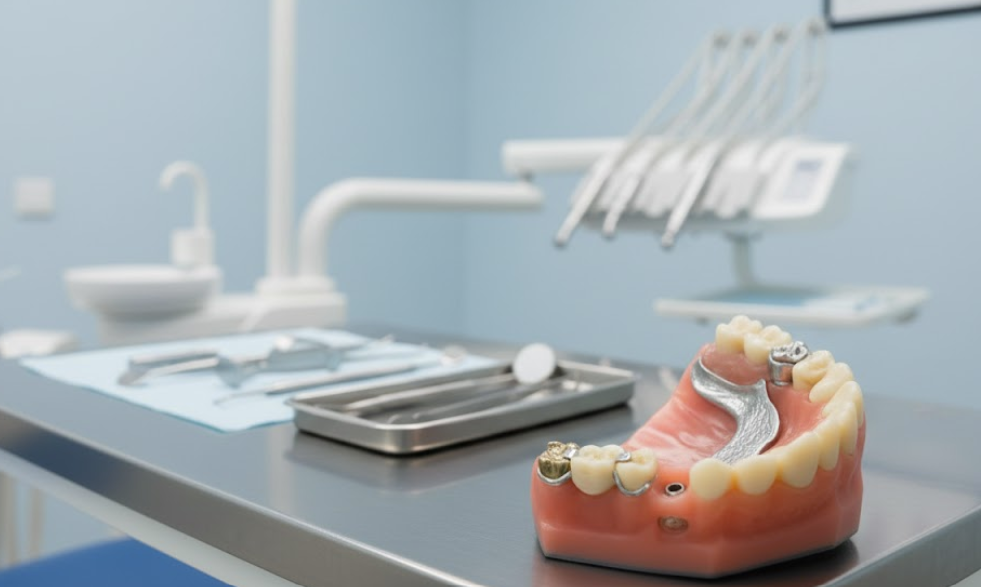
Removable tooth replacements are artificial teeth that you can easily take out and put back in. They don’t require surgery—and they’re custom-made to fit your mouth perfectly. These options allow for quick adjustments or replacements if needed.
There are two main types: partial dentures (sometimes called flippers) and full dentures. Partial dentures replace one or a few missing teeth. Full dentures replace many or all teeth in the mouth. Both types are chosen because they cost much less than fixed options like implants or bridges.
People who pick removable dentures usually want a lower-cost solution that doesn’t require preparing nearby teeth. You can start wearing them right away—or soon after they’re made. However, here’s what’s important to know: these options aren’t as comfortable as natural teeth. They require daily cleaning—and they may shift while eating or talking. Also, they don’t prevent bone loss in the jaw.
Removable dentures work best for patients who are budget-conscious or need a fast solution. They’re useful for those with many missing teeth—or those saving money for more permanent choices later. Costs typically range between $300 and $2,000+, depending on the type and materials used.
Flipper Teeth: The Most Affordable Option
Marcus, 45, needed his front tooth replaced after losing it months ago. His budget was tight—he’d been without that tooth for 8 months, and the idea of expensive implants worried him. A flipper seemed like the answer to his problem.
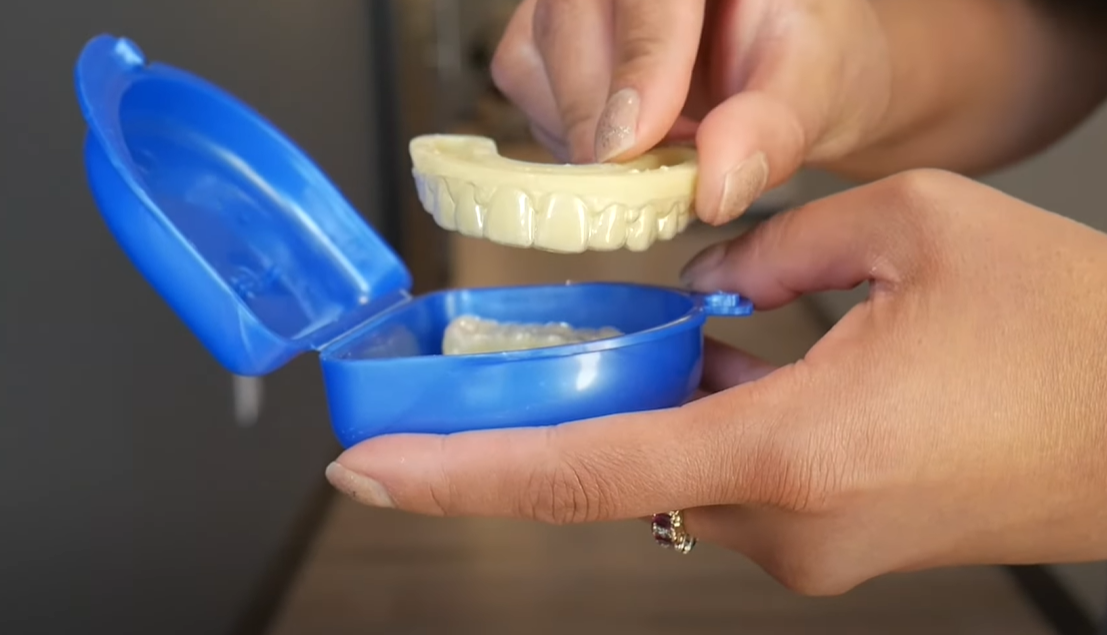
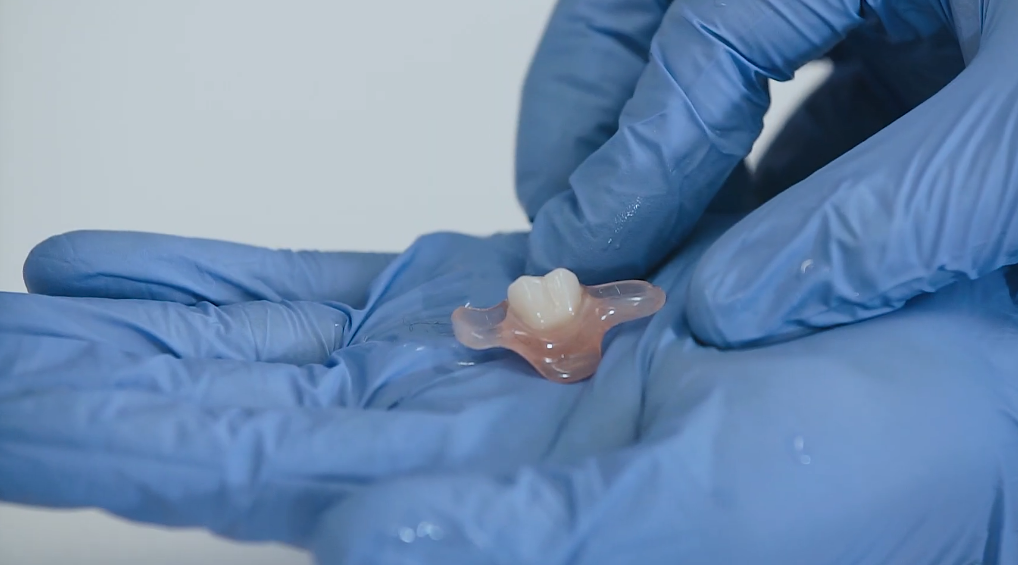
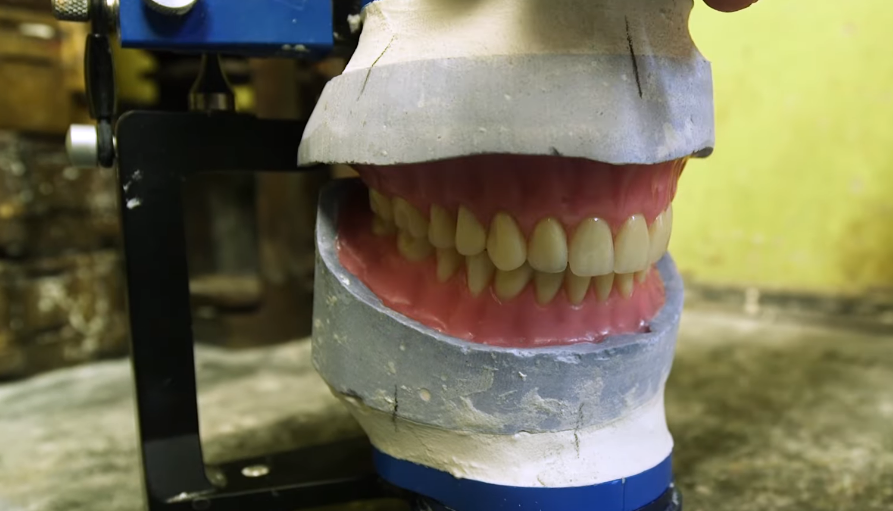
A flipper tooth is a removable partial denture made of acrylic or resin. It usually replaces one tooth, but it can be made for multiple teeth. The flipper is custom-fitted to your mouth—designed to look like a natural tooth. To make it, a dentist takes an impression of your mouth, then sends it to a lab. The process is fast—you’ll often have it within a few days.
Cost-wise, flippers are the cheapest option for a missing tooth. They typically cost between $300 and $500—sometimes less with payment plans. This makes them much more affordable than implants or bridges, which can cost thousands.
Flippers have several real advantages:
-
Cheapest option available — Very budget-friendly
-
No surgery needed — Simple, non-invasive process
-
Quick to get — Ready within days
-
Easy to replace — If damaged, replacements are affordable
-
Simple adjustments — Can be modified easily
But there are honest downsides you should know about:
-
Feels bulky in your mouth — Takes adjustment time
-
Can shift or move — Especially while eating
-
Not as durable — Won’t last as long as fixed options
-
Requires daily care — You’ll need to clean and soak it
-
Everyone sees it if it falls out — It’s removable, so people know it’s not permanent
Marcus shared his real experience: “It looked natural from a distance, but eating felt weird at first. After two weeks, I forgot I was wearing it. Honestly? It saved me money while I planned for something more permanent.” He found a flipper gave him the smile he needed—without the financial stress.
Daily care involves removing the flipper to clean and soak it overnight. It’s better to take it out while sleeping to protect your gums. Flippers suit people who need a quick fix—people who are budget-conscious—and those who understand it’s a temporary option.
Other Removable Options: Dentures
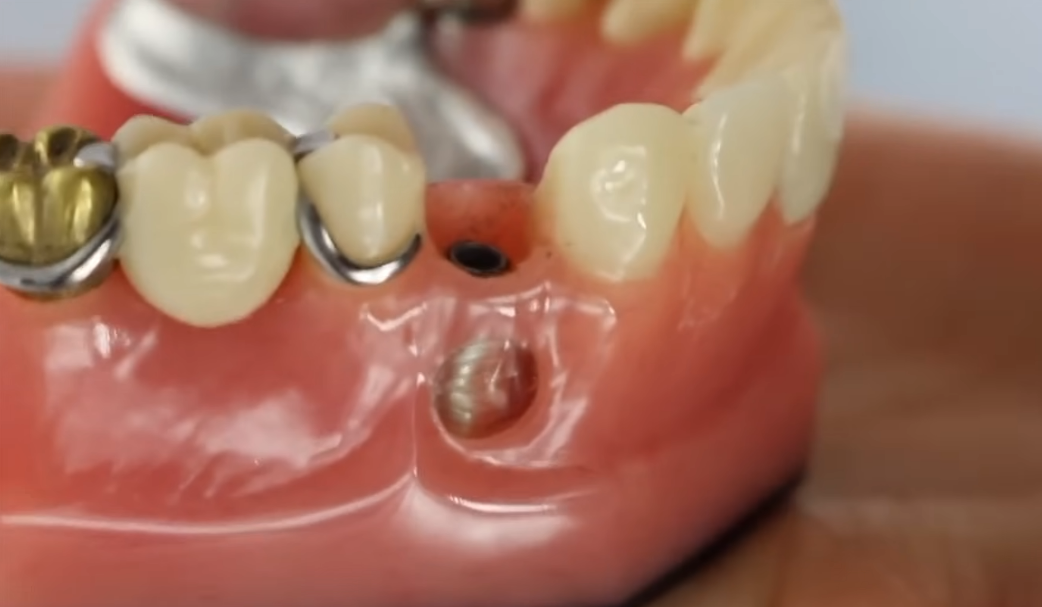
Partial dentures replace some missing teeth—and they work well when a few teeth remain healthy. They clip onto existing teeth for support and usually cost between $500 and $2,000. Because they attach to natural teeth, they offer more stability than flipper dentures.
Full dentures replace all teeth in either the upper jaw, lower jaw—or both. These are the most cost-effective solution when many or all teeth are missing. Prices range from roughly $1,000 to over $3,000+. Full dentures are custom-made—and they require an adjustment period. Most people manage within 4 to 6 weeks.
Advantages of dentures include being the cheapest option for missing multiple teeth. You’ll avoid surgery entirely. They improve your appearance dramatically—and they’re easier to clean compared to some other options. Plus, dentures can be replaced if damaged, keeping costs manageable over time.
Challenges with dentures include less comfort compared to natural teeth—and daily cleaning requirements. They can move while speaking or eating—and speech may change at first. Here’s an important point: dentures rest on gums and bone but don’t stop bone loss. This means your gums and bone may shrink over time—requiring adjustments or replacement down the road.
| Type | Teeth Replaced | Cost Range | Notes |
|---|---|---|---|
| Partial Dentures | Some missing | $500–$2,000 | Attaches to natural teeth |
| Full Dentures | All missing | $1,000–$3,000+ | Custom fit for entire arch |
Dentures provide an affordable, non-surgical path for many to restore their smile and chewing ability.
Fixed Tooth Replacements: The Next Step Up
Fixed tooth replacements stay in your mouth permanently. You don’t remove them for cleaning or eating. Instead, they attach to neighboring teeth—and they offer more comfort and stability than removable options.
There are two main types of fixed replacements: resin-bonded bridges and traditional bridges. Resin-bonded bridges cost less but are less stable. Traditional bridges are stronger—and they last longer—but they usually cost more. Both types need healthy teeth beside the gap to be prepared, which means permanently changing those teeth.
Fixed options feel more natural—and they don’t shift when eating or speaking. You won’t need a daily removal routine like you would with dentures or flippers. This makes them better for long-term comfort.
While fixed replacements are more expensive than removable ones, they usually cost much less than implants. They offer a smart balance between cost and comfort—making them a good choice for people wanting a permanent solution but who have a limited budget.
Resin-Bonded Bridges: Better Than Flipper, Less Expensive Than Traditional
Sophia, 38, wanted something better than a flipper but wasn’t ready for an implant. She spent weeks comparing options—and found a resin-bonded bridge was the answer. It gave her a fixed, natural-looking tooth without the high cost or invasiveness of a traditional bridge.
A resin-bonded bridge—also known as a Maryland bridge—uses a metal framework bonded to the back of the neighboring teeth. This holds an artificial tooth in place without removing much tooth structure. Unlike traditional bridges, it doesn’t need crowns on the adjacent teeth.
Key features include:
-
Minimal tooth preparation — Less drilling than traditional bridges
-
Reversible option — Can be removed if needed
-
Lower cost — Typically $600–$1,500
-
Quick procedure — Usually takes 2-3 weeks from consultation to installation
-
No numbing needed — Often placed without anesthesia
-
Looks natural — Matches surrounding teeth beautifully
| Option | Cost Range | Tooth Prep | Removal |
|---|---|---|---|
| Flipper | $300–$500 | None | Removable daily |
| Resin-Bonded Bridge | $600–$1,500 | Minimal, no crowns | Fixed, reversible |
| Traditional Bridge | $1,200–$2,500 | Crowns on neighbors | Fixed, permanent |
Resin-bonded bridges work best for front teeth—and they require healthy neighboring teeth to attach to. They’re less strong than traditional bridges—and they may need replacement in 5 to 10 years.
Sophia shared her experience: “Installation was quick—no numbing needed. It feels completely natural and looks like I never lost the tooth.” She found this option worth the extra cost above a flipper when balancing comfort and price.
Traditional Bridges: Maximum Durability
A traditional bridge is a fixed replacement tooth anchored by crowns on both sides. The teeth next to the gap are filed down to fit crowns—and an artificial tooth is then suspended between these crowned teeth. This type is the most common fixed bridge—and it offers strong, stable support.
Typically, the cost ranges from $1,200 to $2,500. This price includes two crowns plus the false tooth. It’s more expensive than resin-bonded bridges—but less expensive than dental implants. The quality depends on the dental lab and your dentist’s skill.
Traditional bridges last about 10 to 15 years or more—and they handle all chewing forces well. They’re suitable for front and back teeth. Because they don’t move, they look natural and feel very secure.
However, they require significant filing down of healthy neighboring teeth—which causes permanent changes. Crowns may need replacement over time—and the procedure isn’t reversible. People who want long-lasting durability usually choose this option—especially if they have healthy adjacent teeth and their budget allows.
Quick Fixes: Temporary Solutions
Temporary crowns and bridges are short-term solutions designed to fill the gap quickly after a tooth is lost. They’re not meant to last—but they give you time to plan for a permanent option. These temporary devices protect the area and keep your smile looking natural.
A temporary crown can be placed right after a tooth is extracted. It usually looks like a real tooth—and it’s made from plastic or composite materials. The cost is generally affordable—ranging from $100 to $300. This makes it one of the cheapest ways to manage a missing tooth for a short time.
Temporary crowns usually last from a few days up to a few months. However, they aren’t meant for heavy chewing or long-term use. They can sometimes fall out—and they need careful handling to avoid damage.
People often choose temporary crowns or bridges to buy time—whether they need to heal from extraction, save money, or decide on a permanent replacement. These options offer a practical way to maintain your appearance and function until a better solution is ready.
Community Health Centers: Affordable Care Options
Many people think dental care must be expensive, but there are ways to get help without breaking the bank. Community health centers often provide dental services on a sliding scale. This means your fee is based on your income—lower income means lower cost. They usually don’t turn patients away just because they can’t pay the full price.
These centers offer a wide range of treatments—from preventive care to tooth replacement options. Some even provide emergency dental care or consultations for dental implants. To find one nearby, you can search “community health center near me” or check the federally qualified health center (FQHC) database.
Many dental offices have payment plans that let patients spread the cost over months—sometimes without interest. This option makes more expensive treatments possible by breaking payments into manageable amounts.
Other affordable choices include dental schools (where students train under supervision), charity clinics, nonprofit organizations—and some hospitals that offer dental care. It’s important to know that financial difficulties don’t have to stop you from getting the dental work you need. Options exist for nearly every budget—and planning ahead can help you find the best fit.
Dr. Todd B. Harris, Prosthodontist at Harris Dental Associates, explains it well: “Look, if budget is your main concern, you have real options. A flipper or a resin-bonded bridge can work really well as a temporary solution while you save for something better. The key is understanding what you’re getting—and what you’re trading off.”
People shouldn’t feel ashamed about seeking help—resources are there to support you.
Cost Comparison: Which Option Fits Your Budget?
Choosing the right option depends on cost, comfort—and how long it lasts. Here’s a clear look at all the main choices:
| Option | Cost | Comfort | Durability | Permanence | Timeline |
|---|---|---|---|---|---|
| Flipper | $300–$500 | Fair | 2-3 years | Removable | Days |
| Partial Denture | $500–$2,000 | Fair | 5-7 years | Removable | 2 weeks |
| Full Denture | $1,000–$3,000 | Fair | 5-10 years | Removable | 2-4 weeks |
| Resin-Bonded Bridge | $600–$1,500 | Good | 5-10 years | Fixed | 2-3 weeks |
| Traditional Bridge | $1,200–$2,500 | Very Good | 10-15 years | Fixed | 2-4 weeks |
| Implant | $3,000–$6,000+ | Excellent | 25+ years | Fixed | 3-6 months |
The flipper is the cheapest but only lasts a short time—and it feels less comfortable. Resin-bonded bridges offer good value with better comfort and moderate durability. Traditional bridges last longer and feel more natural—though they cost more.
Implants cost the most but last decades—and they offer the best comfort and permanence. Most options are removable except for bridges and implants, which stay fixed.
Costs vary by location and your specific needs. Payment plans might help manage expenses. Finding a balance between budget, durability—and comfort is key to making the right choice.
How to Choose: Making the Right Decision for You
Choosing the right option depends on several key factors. First, budget is important. You need to be honest about what you can afford. Sometimes starting with a temporary option—like a flipper—works well until you can save for a better solution. Payment plans may be available—so you don’t need to overspend all at once.
Next, consider timeline. Do you need a quick fix for a job interview or special event? A flipper or temporary denture can be made fast. If you can wait a few weeks, some permanent options might be possible.
Comfort matters too. Some people prefer fixed options because they feel more natural. Others might be okay with removable dentures but must be ready for some adjustment.
Durability is another factor. If you want a solution to last several years, a traditional bridge or permanent implant might be best. For short-term, a temporary partial denture works well.
Dr. Harris adds important perspective: “There’s no wrong choice here. Choose what makes sense for your life right now. We can always upgrade later if you want to. What matters most is that you’re taking care of your smile.”
| Priority | Best Option |
|---|---|
| Budget-first | Flipper or temporary denture |
| Longevity | Traditional bridge or implant |
| Short-term fix | Temporary partial denture |
| Front tooth | Resin-bonded bridge or implant |
Patients should avoid rushing or choosing based on pressure. The right choice fits your budget and timeline now—and it can be upgraded later if needed.
Planning for Your Future: James’s Complete Journey
James, 52, had a missing tooth for years. He finally decided he couldn’t live with it anymore—but he didn’t have $3,000 or more for an implant. So instead, he chose a flipper—a simple and affordable temporary tooth replacement that cost about $400.
“Honestly, I was embarrassed at first,” James admits. “I didn’t want people to know I had a fake tooth. But I wore it anyway—and you know what? Nobody cared. And it gave me back my confidence while I figured things out.”
James set a realistic goal to save money for a dental bridge—which would be more durable and look better than a flipper. Over two years, he put aside funds regularly from his paychecks. This plan let him avoid rushing into expensive debt—and it gave him time to research his options carefully.
His timeline looked like this:
| Step | Cost Estimate | Timeframe | What Happened |
|---|---|---|---|
| Flipper | $300–$500 | Year 1 | Got his smile back immediately |
| Save for Bridge | Saved $600–$2,000 | Years 2-3 | Felt confident knowing he had a plan |
| Permanent Fix | $1,200–$2,500 | After Year 3 | Ready to upgrade when finances allowed |
“The flipper was temporary, not a failure,” James explains. “It allowed me to improve my dental health without feeling pressured. I felt confident knowing I was making smart financial choices. The flipper was comfortable—and when I eventually upgraded to a bridge, it felt like a real upgrade.”
This approach shows that starting temporary—and planning for permanent—can match your budget and health needs. James’s journey proves it’s okay to take your time—and upgrade when you’re ready. “I’m happier this way,” he says. “I didn’t rush into debt, and I still got my smile back. That’s a win in my book.”
Today, James is looking ahead to possibly exploring an implant in a few years—but he’s not in a hurry. “There’s no rush,” he says. “I’ve got options. I can upgrade whenever I’m ready—and that’s what matters.”
📞 Ready to Find Your Best Option? Let’s Figure It Out Together
Here’s the truth: you don’t have to figure this out alone. Missing a tooth is stressful—and the financial side makes it even harder. But you have real options at every budget level.
Whether you’re thinking about a flipper, a bridge—or you want to explore all possibilities—Harris Dental Associates is here to help. We work with budget-conscious patients every single day. We understand your concerns—and we won’t judge you based on cost. We’ll help you find the right solution for your life.
Here’s what makes us different: we listen. We ask about your budget, your timeline—and what matters most to you. Then we explore options that actually work for your situation. No pressure. No judgment. Just real solutions.
What to expect at your consultation:
-
Full evaluation of your specific situation
-
Honest discussion of all your options—from cheapest to premium
-
Real cost breakdown with no surprises
-
Payment plan options discussed upfront
-
Timeline recommendations based on your needs
-
Answers to every single question you have
-
A customized plan that fits YOUR life
Why consult with a professional?
Online information is helpful—but a professional assessment is necessary. You might have a unique situation we need to explore together. We can discuss which options make sense for you—and get a realistic timeline. Most importantly, we’ll help you understand the trade-offs specific to your situation.
Schedule Your Consultation Today
Don’t wait—your smile matters. You deserve to feel confident again—at whatever budget works for you.
📞 Call Harris Dental Associates now:
Phone: (508) 584-6070
Email: info@harrisdentalassociates.com
About The Author