
If you buy through links on our site, we may earn a small affiliate commission to help support the blog - at no extra cost to you. It never influences our product selection process. Thank you!
You’re thinking about getting a dental implant, and you’re wondering—what material should I choose? The good news is that titanium has been the answer for over 30 years. It’s proven, it’s safe, and it’s built to last a lifetime.
Here’s the thing: titanium isn’t just any metal. It’s the gold standard in dental implants because it works. Your dentist will likely recommend it, and so will implant specialists around the world. This article explains everything you need to know about titanium teeth—why they’re so popular, how they work, whether they’re safe, and how to keep yours healthy forever.
Understanding Titanium Teeth: A Simple Explanation
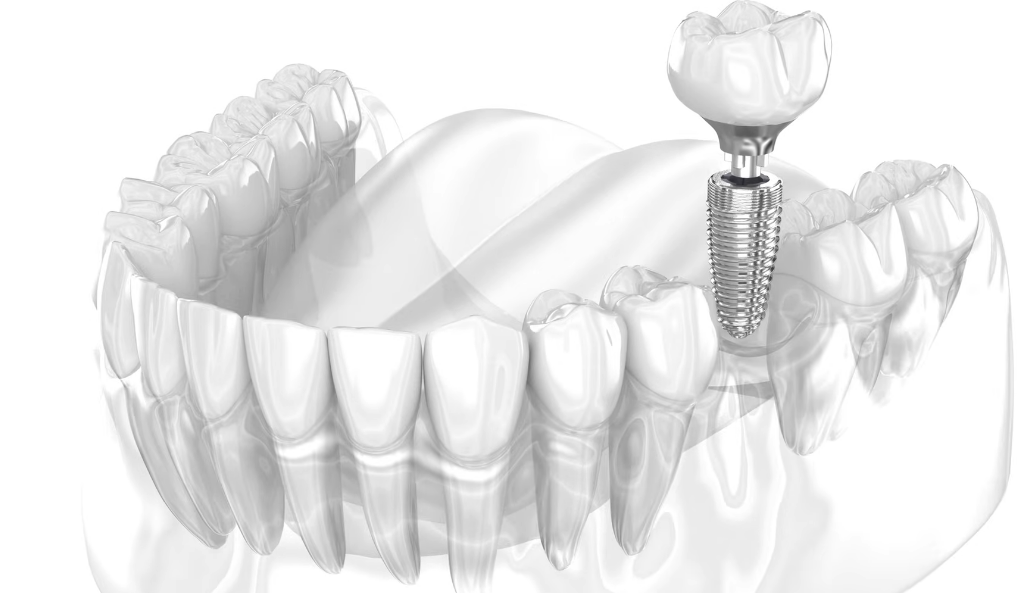
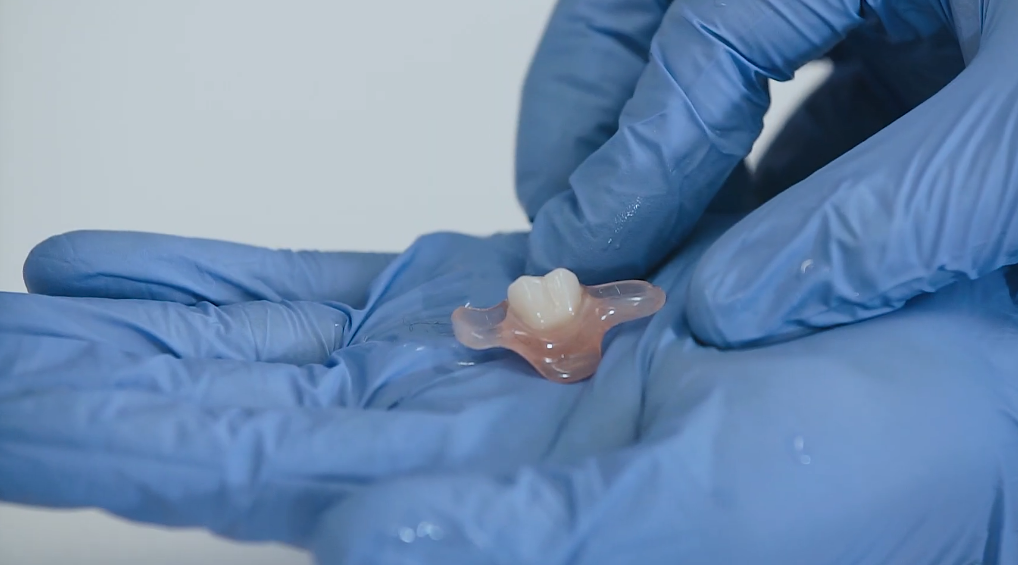
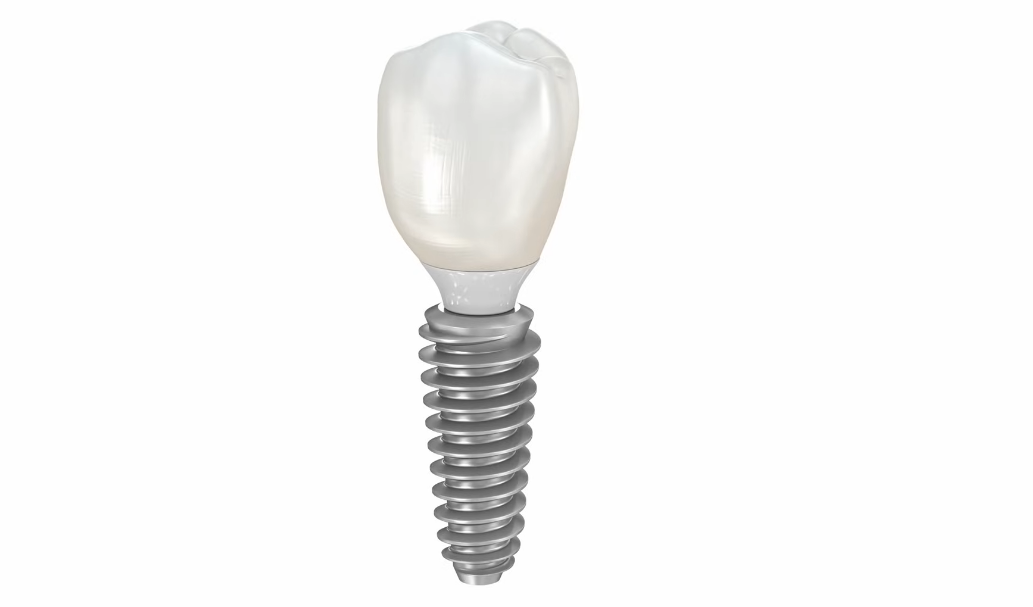
Titanium teeth sound high-tech, but the concept is actually straightforward. A titanium dental implant is a small titanium post—think of it like an artificial tooth root. This post is surgically placed into your jawbone, where it replaces the root of a missing tooth. On top of that post, your dentist places a natural-looking crown made of porcelain or ceramic.
The crown is what people see—it looks like your natural tooth. But the real star is the titanium post underneath. Titanium is a metal that’s strong, lightweight, and biocompatible—meaning your body accepts it naturally. Your bone actually grows around the titanium, holding it tight like it would with a natural tooth root.
That’s why they’re called “titanium teeth”—the material does the heavy lifting.
Why Dentists Choose Titanium: A Proven Track Record
Titanium has been the choice of dental implant experts for decades. Since the 1990s, it’s been tested extensively—and it works. Dental schools teach titanium as the gold standard. Dental implant specialists around the world recommend it. And the statistics back it up: titanium implants have about a 95-98% success rate, with millions of patients worldwide enjoying the benefits.
Dr. Todd B. Harris, DDS, Prosthodontist at Harris Dental Associates, explains: “Titanium has been used in dental implants for over 30 years. It’s proven technology with incredible success rates. The biocompatibility is exceptional—the bone fuses directly to the titanium, creating a foundation that can last a lifetime.”
What makes titanium so special? It’s the best balance of properties. It’s strong enough to handle chewing forces. It’s lightweight, so it doesn’t feel bulky. And your body accepts it—no rejection issues like you might see with other materials. That combination is hard to beat, which is why so many dentists choose it.
The Science Behind Titanium: Biocompatibility and Osseointegration
Here’s the fascinating part—your body actually loves titanium. This is called biocompatibility. Unlike some materials that your immune system fights, titanium and your bone become friends. They work together.
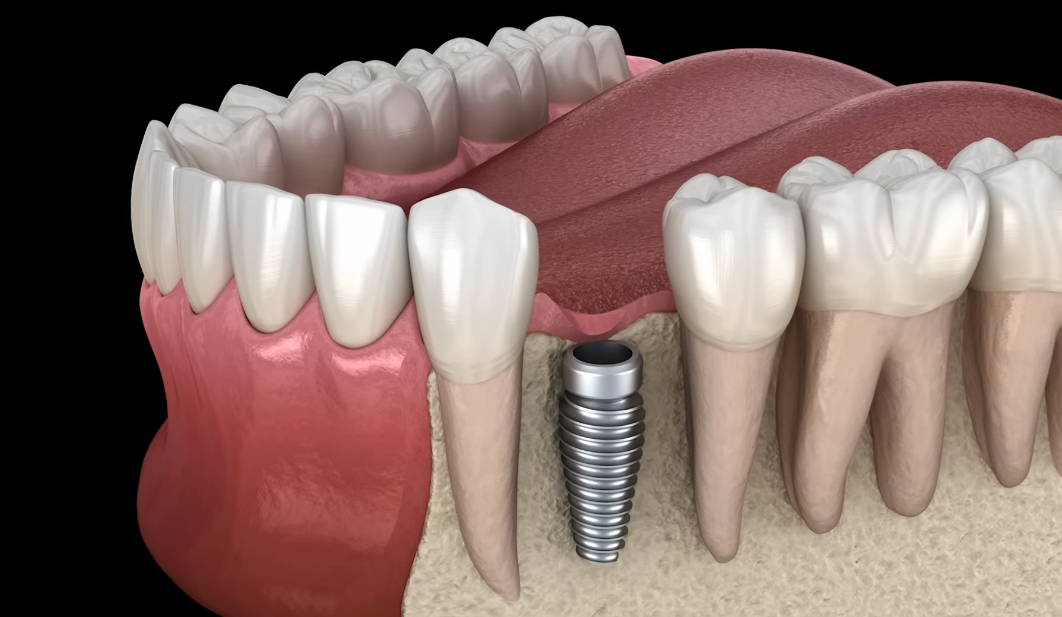
The magic happens through a process called osseointegration. After your titanium implant is placed, something remarkable occurs over the next three to six months. Your bone grows directly around the titanium post. It’s not just sitting there—the bone is fusing to it at the microscopic level. Think of it like the implant and bone becoming one solid unit. This creates an incredibly stable foundation for your new tooth.
Why does this matter? Because osseointegration means your titanium implant isn’t going anywhere. Unlike dentures that you remove and clean every night, your implant becomes part of you. It’s a permanent anchor that can support a crown for decades—or even a lifetime.
Here’s another bonus: titanium is non-magnetic. That means it won’t interfere with MRI machines or other medical imaging. This is important if you ever need to get medical scans. You can feel completely safe.
Why Choose Titanium? The Major Advantages
So what makes titanium implants so attractive? There are several compelling reasons:
Strength and durability are tops on the list. Titanium withstands the forces of chewing and biting. You can eat the foods you love—nuts, apples, steak—without worrying about damaging your implant. It’s built tough.
Longevity is another big one. With proper care, your titanium implant can literally last a lifetime. We’re talking 30, 40, even 50+ years for some implants. That’s not a guarantee with bridges or dentures—those typically need replacement.
It feels like a natural tooth. After a few weeks or months, you’ll forget your implant is there. It doesn’t feel foreign or strange. You chew normally, speak normally, smile with confidence.
No special maintenance required. Unlike dentures, you don’t soak them, clean them with special tablets, or worry about them slipping. You just brush and floss like normal teeth. That’s it.
Your bone stays healthy. Unlike dentures, which can cause bone loss over time, implants actually stimulate your bone. This keeps your jawbone strong and preserves your facial structure.
The crown looks completely natural. Your dentist will match it to your other teeth perfectly. People won’t know it’s not your original tooth.
Robert, 58, experienced all of this firsthand. “I had my titanium implant placed 10 years ago,” he shares. “It feels exactly like my natural tooth. I eat everything I want, I don’t think about it, and I’d do it again in a heartbeat. No regrets.”
Safety First: What You Need to Know About Titanium Implants
Let’s address the elephant in the room: Are titanium implants safe? The short answer is yes—very safe.
Titanium implants have a proven track record spanning more than three decades. They’re FDA approved for medical use. The success rate is exceptional—95% and above. Your body naturally accepts titanium. And here’s something important: the risk of allergic reactions is extremely low. We’re talking less than 1% of cases. To put that in perspective, more people are allergic to nickel in jewelry than to titanium implants.
Dr. Todd B. Harris emphasizes: “I’ve placed hundreds of titanium implants with excellent outcomes. The biocompatibility profile is outstanding. Allergic reactions are exceptionally rare—less than 1% of my patients experience any issues whatsoever.”
Titanium has been used in military applications, aerospace, and orthopedic surgery for decades. If it’s safe enough for military personnel and astronauts, it’s definitely safe for your mouth.
The bottom line: titanium implants are one of the safest dental procedures available.
Being Honest: Are There Any Drawbacks to Titanium?
We’d be remiss if we didn’t mention some rare considerations. While titanium is excellent, it’s not perfect for everyone. Here’s what you should know:
Allergic reactions are very uncommon—less than 1%. That means 99%+ of people have no issues whatsoever. But if you know you’re allergic to titanium, your dentist can test for it and discuss alternatives.
Peri-implantitis is an infection around the implant. It’s rare, and it’s usually preventable with good oral hygiene and regular checkups. When it does occur, it’s typically from neglect rather than from titanium itself.
Corrosion is extremely rare. It usually only happens in the context of peri-implantitis. With proper care, you won’t experience this.
Aesthetics is worth mentioning. Titanium has a gray color. In some cases, if you have very thin gum tissue, the gray titanium can show through, giving a slightly grayish appearance. For most people, this isn’t an issue. But if you have thin gums and extreme aesthetic concerns, you might consider zirconia (a white implant material). We’ll talk about that next.
Cost is worth acknowledging. Titanium implants are pricier than some alternatives like bridges or dentures. But they’re an investment in a lifetime solution.
For most people, these aren’t concerns at all. They’re just things worth knowing.
Titanium vs Zirconia: Choosing the Right Implant Material
Many patients ask: Should I get titanium or zirconia? Both are excellent, but they have different strengths.
Titanium is proven (30+ years of success), incredibly strong, cost-effective, and handles chewing forces beautifully. The only potential drawback is its gray color, which rarely shows through.
Zirconia is newer, white in color (which is great for aesthetics), and biocompatible. But it’s also more brittle and can fracture under excessive force.
Most dentists, including Dr. Harris, recommend titanium for most patients. Here’s why: the proven track record, superior strength, and excellent value make it the safer choice. Zirconia might be worth considering if you have extreme aesthetic concerns (very thin gums that show the implant), or if you have a titanium allergy—but that’s rare.
Marcus, 61, went through the decision-making process. “I researched both materials carefully,” he explains. “I considered zirconia for the white color, but Dr. Harris explained that titanium’s durability was worth the slightly gray appearance. I’m glad I chose titanium. It’s strong, reliable, and it’s going to last.”
Unless you have a specific reason to choose zirconia, titanium is the stronger choice.
Keeping Your Titanium Implant Healthy: Care and Maintenance
Here’s the best part about titanium implants: they’re easy to care for. Seriously.
Treat it like a natural tooth—that’s really it. Brush twice daily with a soft brush. Floss daily, paying special attention around the implant. Visit your dentist every six months for checkups. Avoid smoking, which affects healing and long-term implant health. And if you have conditions like diabetes or gum disease, keep them controlled.
That’s honestly all you need to do. You don’t need special cleaning tablets, soaking solutions, or nightly routines like dentures. You don’t need to remove it. It’s just there, doing its job.
One important note: initially (the first few months while osseointegration happens), you should avoid hard, crunchy foods. But after full healing, you can eat normally—and I mean everything.
With proper care, your titanium implant can literally last a lifetime. That’s not an exaggeration—it’s based on decades of real-world experience.
FAQ: Your Questions About Titanium Implants Answered
How long do titanium implants last?
With proper care, they last a lifetime. The 30+ year track record shows implants still functioning beautifully decades after placement. Some are working perfectly after 40+ years. That’s very different from crowns or bridges, which may need replacement after 10-15 years.
Can I be allergic to titanium?
It’s extremely rare—less than 1%. More people are allergic to jewelry than to titanium implants. If you know you’re allergic, tell your dentist, and they can discuss alternatives or test for it. Linda, 52, was initially worried. “I researched titanium extensively before getting my implant,” she shares. “I was concerned about allergies, but Dr. Harris explained how incredibly rare reactions are. Now I’m confident and happy with my decision.”
Will my implant feel natural?
Yes, absolutely. Within weeks to months, you’ll forget it’s there. It becomes indistinguishable from a natural tooth. You’ll chew normally, speak clearly, and smile with full confidence.
How much do titanium implants cost?
Expect to pay $3,000 to $6,000+ per tooth, depending on complexity and location. Yes, that’s more than a bridge or denture. But remember—you’re getting a lifetime solution, not a temporary fix.
Is the procedure painful?
No. Your dentist uses local anesthesia to numb the area completely. You’ll feel pressure and vibration, but not pain. After the procedure, mild soreness is normal and manageable with pain medications and ice. Most patients are surprised at how straightforward it is.
Is a Titanium Implant Right for You?
Wondering if titanium implants are right for you? The good news: most people are excellent candidates.
You’re a good candidate if you:
-
Have missing teeth
-
Have adequate jawbone (or are willing to have a bone graft)
-
Enjoy good overall health
-
Are committed to excellent oral hygiene
-
Don’t smoke (or are willing to quit)
You might not be an ideal candidate if you have:
-
Severe uncontrolled health issues
-
Poor oral hygiene habits
-
Extreme bone loss (though grafting can help)
The only real way to know is a consultation with an implant specialist. Dr. Harris evaluates each patient individually, considering their specific situation, health, and goals.
About The Author