
If you buy through links on our site, we may earn a small affiliate commission to help support the blog - at no extra cost to you. It never influences our product selection process. Thank you!
You’ve lost a tooth, and your dentist mentions you might need a bone graft. But here’s the good news—you might not have to wait months with a gap in your smile. In many cases, we can place your implant and do the bone graft at the same time, getting you back to normal faster. Here’s everything you need to know about combining these procedures.
Why Bone Grafting and Implants Can Be Done Together
When it comes to dental implants, the key factor is something called primary stability—basically, whether there’s enough existing bone to keep the implant secure right away. If you’ve got enough bone for the implant to stand firm on its own, we can often add a bone graft at that same time to reinforce it and create a stronger, longer-lasting foundation.
Think of it like building a house. You need a solid foundation to start, but you can also reinforce it while you’re working on it. Dr. Todd B. Harris, DDS, Prosthodontist at Harris Dental Associates, explains: “Planning and ensuring stability at the time of surgery are key. When we’ve got enough bone to support the implant initially, adding a graft simultaneously can save patients significant time while actually improving their long-term results.”
Doing both procedures together means fewer surgeries, less time off work, and fewer trips to the dentist’s office. Plus—and this is important—it can lead to better aesthetics. When you preserve or rebuild the ridge at the time of implant placement, your gums and bone contour end up looking more natural around your final tooth.
When Same-Day Bone Graft and Implant Make Sense
Not every patient is a candidate for simultaneous bone graft and implant placement. Let’s look at the three main scenarios where it works really well.
Immediate Implant After Tooth Extraction
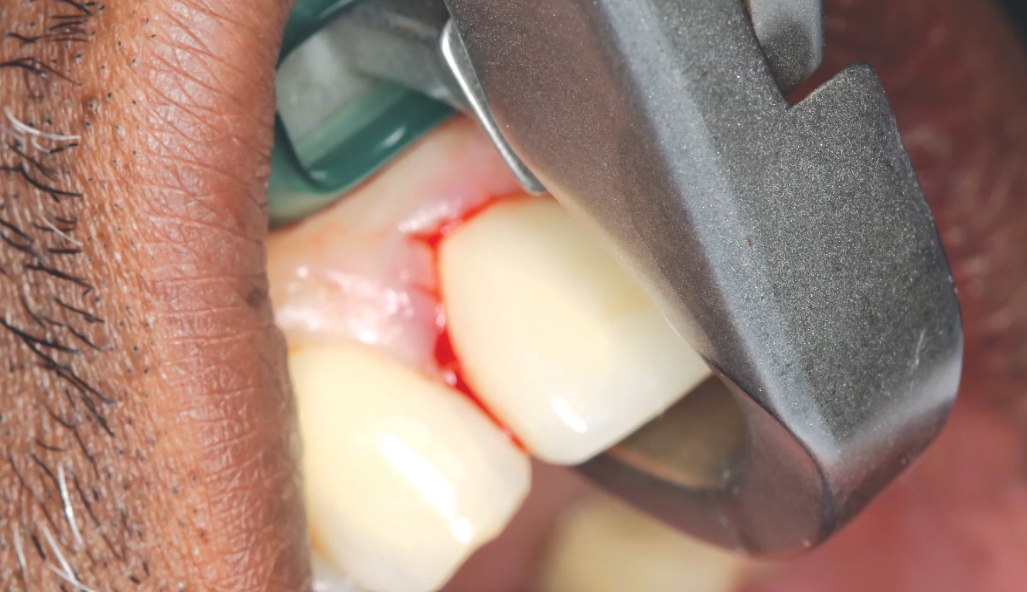
Sometimes—especially in the front of your mouth where looks matter most—your tooth is removed and your implant is placed in the exact same appointment. The extraction leaves a socket (the hole where the tooth was), and here’s where the bone graft comes in. We pack bone graft material into that socket around the implant. This accomplishes several things at once: it fills the empty space, it supports the implant while it’s integrating into your bone, and it preserves your ridge so you don’t end up with a sunken appearance later.
Emma, 42, had this experience: “My front tooth came out, and I was panicked about having a gap for months. But Dr. Harris placed the implant the same day and used bone graft material to fill in around it. Fast forward—I got my crown, and nobody can tell it’s not my natural tooth. The whole process saved me about three months.”
Internal Sinus Lift with Simultaneous Implant
If you’ve lost teeth in the upper back of your mouth, sometimes the bone there gets thin—especially if the sinus cavity above it has expanded over time. But here’s where it gets interesting: if you’ve still got some bone height—enough to stabilize an implant—we can perform what’s called an internal sinus lift at the same time.
What does that mean? Instead of going through the side of your jaw (which is a separate, bigger surgery), we approach the sinus from within the implant site itself. We gently lift the sinus lining from the inside and pack bone graft material under it. This achieves two goals: it adds bone height under the sinus, and it gives your implant extra support—all in one appointment.
The bone graft material—typically an allograft (donated human bone) or xenograft (bone from another species)—gets placed in that space and eventually integrates with your own bone, creating a solid foundation. A barrier membrane might be placed over the graft to protect it and prevent your gum tissue from growing into the graft area while it’s healing. This is called guided bone regeneration (GBR), and it’s a proven technique for getting predictable results.
Minor Bone Defects Around the Implant
Sometimes your jaw bone has small gaps or walls missing—what we call “jump gaps.” These aren’t huge problems, but they do need to be filled. If your implant can still be placed securely despite these minor defects, we can fill them with bone graft material at the same time. This strengthens the implant site and helps ensure your implant stays stable long-term.
Carlos, 55, had this situation: “I was told I needed a molar implant, but there were some bone gaps around where it’d go. I was dreading two surgeries. But Dr. Harris said he could graft and place the implant together. One procedure, and I’m done. Plus the ridge looks fuller now—it almost looks like a real tooth’s there.”
How the Combined Procedure Works Step by Step
Here’s what happens when you get a bone graft and implant placed together:
Step 1: Evaluation and 3D Imaging
Your dentist takes a 3D CT scan (CBCT) to see exactly how much bone you have, where it is, and whether you’ve got enough for primary stability. This imaging is crucial—it tells us whether combining the procedures makes sense for you or if a staged approach (graft first, then implant later) is safer.
Step 2: Extraction (if needed)
If you’re having an immediate implant after tooth removal, your tooth comes out first. The socket is cleaned and prepared.
Step 3: Implant Placed with Primary Stability
The implant is carefully positioned and screwed into place. At this point, it should feel solid and secure—that’s primary stability. If it’s wobbly, we know we need a different approach.
Step 4: Bone Graft Material Packed Around Implant
Once the implant is stable, we pack bone graft material around it. This fills any gaps between the implant and your existing bone, and it builds up the ridge for better aesthetics and stronger integration later.
Step 5: Barrier Membrane Placed (When Indicated)
In many cases, we place a membrane over the graft site. This protective barrier does two important things: it helps guide the bone to grow in the right place (guided bone regeneration), and it prevents your gum tissue from growing down into the graft material while it’s trying to heal and integrate. Over time, resorbable membranes dissolve as the bone heals. Non-resorbable ones may need to be removed later.
Step 6: Suturing and Healing Period
The area is carefully closed with stitches, and you’re sent home to heal. This is where patience matters—even though you had one surgery, your body still needs time for the graft material to fuse with your existing bone and for your implant to osseointegrate (bond with the bone).
Dr. Harris adds: “Many patients think ‘one surgery’ means ‘instant results.’ But the biology doesn’t work that way. We’ve saved you time with the procedure itself, but the healing is still essential. Usually, we’re looking at several months before that implant is truly ready for a crown.”
When a Staged Bone Graft Is the Safer Choice
Here’s something important: not every situation calls for doing both at once. Sometimes waiting is actually the smarter move.
If you’ve got a large bone defect—meaning a lot of bone is missing—we often recommend placing the graft first and letting it heal for 3 to 6 months. Then we place the implant. Why? Because if the defect is too big, the implant won’t have primary stability, and the graft won’t have a solid structure to build on. Trying to do both at once could compromise both procedures.
Similarly, if your sinus floor is very low or your ridge is extremely thin, sometimes a staged approach is more predictable and successful. It’s not the faster path, but it’s the safer one.
Linda, 63, chose this route: “I’d had significant bone loss in my upper jaw. My dentist could’ve tried to do everything at once, but Dr. Harris recommended doing a graft first and waiting several months. I won’t lie—the wait was frustrating. But then we placed the implant, and he told me the bone integration was excellent. He said being patient up front meant better results long-term. I’m glad we did it his way.”
Dr. Harris emphasizes: “Slower is sometimes safer and more predictable. If I’m honest with a patient that a staged approach will give them a better outcome, that’s what we do. Our job is to set them up for success, not just speed.”
Healing, Timeline, and What to Expect
Let’s talk about what happens after your procedure and how long everything actually takes.
Immediately after surgery, you’ll have some swelling, tenderness, and probably some discomfort for the first few days. Take the prescribed pain medication, and don’t try to be a hero—your body’s doing important work, and rest helps it heal faster.
The first two weeks: You’ll need to stick to soft foods and be gentle with the area. Your stitches typically come out around 10 to 14 days.
One to three months: This is when your body starts the real work. The bone graft material begins to integrate with your existing bone. Your implant is also osseointegrating—the bone is bonding directly to the titanium surface. You won’t feel this happening, but it’s critical.
Three to six months: Depending on your case, this is usually when we’re ready to place your crown. But we verify integration first with follow-up exams and sometimes additional imaging.
Total time from extraction to wearing your new tooth: Typically 4 to 7 months for a same-day bone graft and implant case—much faster than doing them separately (which would be 6 to 12+ months when you add it all up).
| Timeline | What’s Happening |
|---|---|
| Day of surgery | Implant + graft placed; primary stability confirmed |
| 1-2 weeks | Stitches out; swelling decreases |
| 1-3 months | Bone graft integrating; implant osseointegrating |
| 3-6 months | Implant ready for crown (timing varies) |
| 6-8 months | Crown placed; smile complete |
Benefits of Doing the Bone Graft at the Time of Implant
Here’s why combining these procedures is often a great choice:
-
Fewer surgeries. You’re not going under anesthesia twice or recovering twice. One procedure, one healing period.
-
Shorter overall timeline. Instead of waiting 6+ months for a graft to heal, then another 6+ months for an implant—you’re looking at 4 to 7 months total.
-
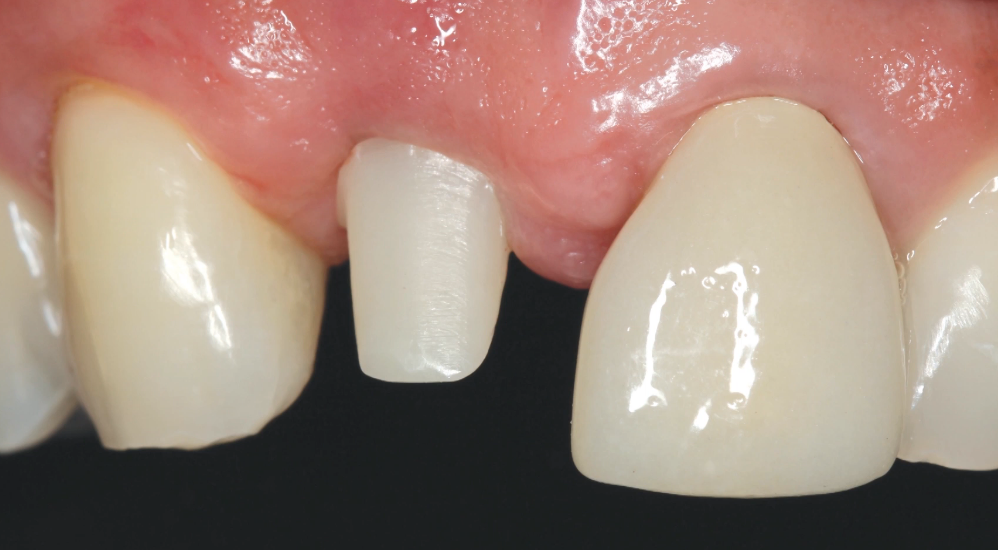
Better ridge preservation. Building or reinforcing the bone at implant time means your gum and bone shape around the final tooth will look more natural and fuller. This especially matters in the smile zone where people can see your gum line.
-
Less disruption to your life. Fewer appointments, less time off work, fewer days managing post-operative care.
-
Single healing process. Your body integrates the implant and graft simultaneously, which can actually promote better stability and predictability.
-
Improved aesthetics. When we preserve or rebuild the ridge at the right time, your final crown looks more like a real tooth—with proper gum contour around it.
Risks, Limits, and Who Is (and Isn’t) a Good Candidate
Like any surgery, bone graft and implant placement together have considerations. Here’s what you should know.
You might not be a good candidate if:
-
You’ve got severe bone loss requiring large amounts of graft material. In these cases, staged grafting is often safer and more predictable.
-
Your sinus floor is very low or your ridge is extremely thin. Sometimes the bone architecture simply doesn’t allow for simultaneous procedures.
-
You have uncontrolled diabetes, active smoking, or other medical conditions that compromise healing. Your dentist will discuss your specific health situation with you.
-
Your implant placement site can’t achieve primary stability even with a small graft. If the implant would be too loose, we can’t safely place it yet.
The good news? Most patients are candidates. The decision really comes down to your specific bone anatomy, your health, and what your imaging shows. That’s why the consultation and 3D scan are so important—they tell the real story.
FAQ: Bone Graft at Time of Implant Placement
Is it safe to place a bone graft and implant at the same time?
Yes, when the conditions are right. Your dentist uses 3D imaging to make sure you’ve got enough bone for implant stability before combining the procedures. If you don’t, they’ll recommend a staged approach—which is the safe choice for your situation.
How do I know if I have enough bone for a same-day bone graft and implant?
You won’t know without 3D imaging and an evaluation by your dentist. A CBCT scan shows bone height, width, and density. Your dentist measures these dimensions and determines whether primary implant stability is achievable. That’s the deciding factor.
Will I leave with a tooth the same day?
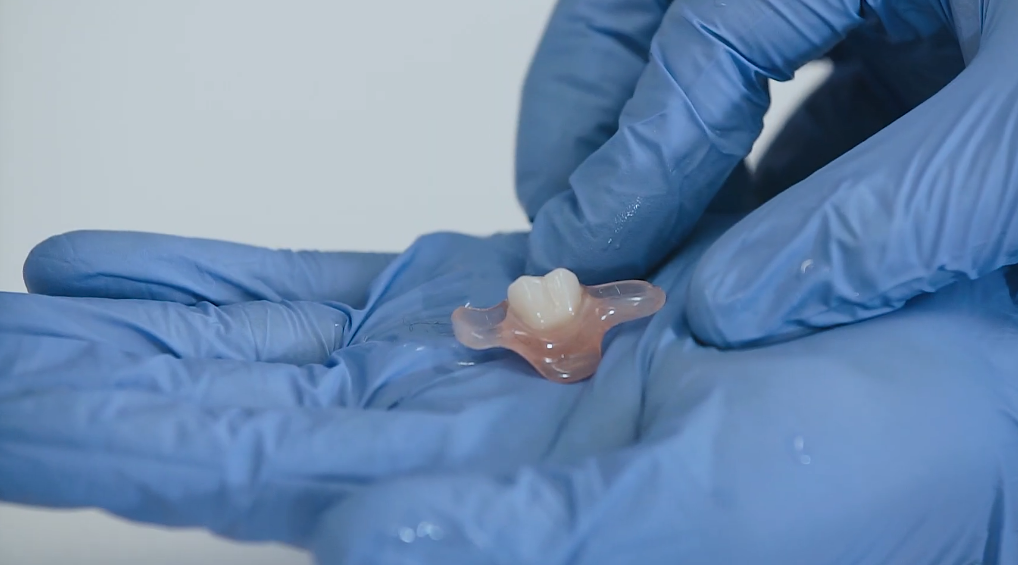
No. You’ll leave with the implant and graft in place, but you won’t have a crown yet. Your jaw needs time to heal and the implant to integrate—usually 3 to 6 months—before the crown is placed. In the meantime, you can wear a temporary denture or tooth if you need to.
How long does everything take to heal?
The implant and graft need time to integrate with your bone. Early healing (stitches out) takes about 2 weeks. Full integration typically takes 3 to 6 months, depending on your bone quality and overall health. Then your crown can be placed.
Is the cost higher if I have a graft and implant together versus separately?
It depends on your specific case. Doing both procedures together can sometimes be more cost-effective because you’re having one surgery instead of two. However, your dental insurance might cover them differently. Ask your dentist for a detailed cost breakdown—they’ll explain what you’re paying for and why.
Talk With Dr. Todd B. Harris About Your Options
Every mouth is different, and every bone situation is unique. The only way to know whether a same-day bone graft and implant is right for you—or whether a staged approach makes more sense—is to have a thorough consultation with a dentist who specializes in implants.
Dr. Todd B. Harris at Harris Dental Associates uses advanced 3D imaging and personalized planning to evaluate your bone, discuss your goals, and recommend the approach that’ll give you the best long-term results. He’ll answer your questions, explain your options clearly, and help you understand what to expect—from surgery to your final smile.
Don’t spend months wondering what’s possible. Schedule your consultation today and learn how you could get back to smiling naturally—and sooner than you think.
📞 Ready to Restore Your Smile?
At Harris Dental Associates, Dr. Todd B. Harris specializes in implant placement with bone grafting for patients who need it. Whether you’re a candidate for simultaneous procedures or would benefit from a staged approach, we’ll create a personalized plan designed to give you the best outcome.
Schedule Your Consultation Today
Call: (508) 584-6070
Or click to request an appointment online
📞 What to Expect:
-
Thorough evaluation of your bone and implant needs
-
Advanced 3D imaging to show your exact situation
-
Clear explanation of your options—same-day or staged
-
Honest discussion about timeline, cost, and results
-
A personalized plan to get you smiling again
Dr. Harris and his team at Harris Dental Associates are committed to getting it right the first time—because your implant is an investment in your smile for life.
About The Author